
A bold new international deal puts advanced U.S. nuclear submarine technology in South Korean hands, fueling debate on national security, global power balance, and constitutional oversight.
Story Snapshot
- South Korea set to build nuclear-powered submarine in Philadelphia, with U.S. sharing sensitive propulsion technology.
- Trump administration’s move sparks concerns about national security and constitutional checks.
- Policy hailed by supporters as strengthening American industry and Indo-Pacific alliances.
- Critics warn of risks to military secrets and potential erosion of congressional authority.
U.S. and South Korea Announce Historic Submarine Partnership
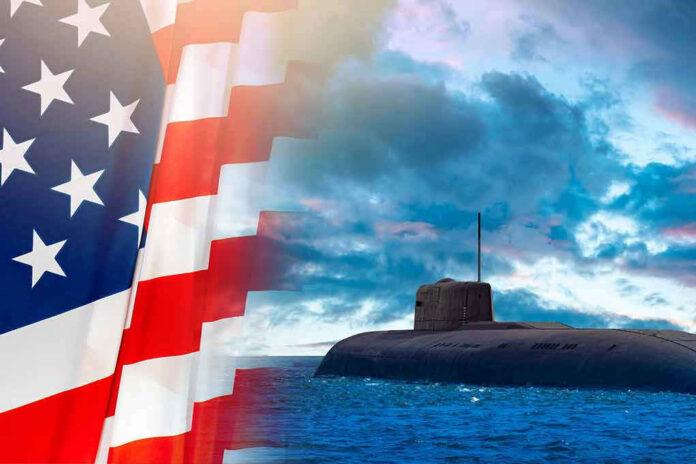
President Donald Trump announced that South Korea will construct a nuclear-powered submarine in Philadelphia, a first-of-its-kind move pairing American shipbuilding with strategic Indo-Pacific security goals. The administration confirmed that the United States will share closely guarded technical information on nuclear propulsion, signaling a major shift in defense cooperation. Supporters argue that this partnership will invigorate American manufacturing, create jobs, and reinforce the U.S. commitment to containing Chinese aggression in the region. The deal is described as a triumph for U.S. industry and a boost to the alliance with South Korea.
Administration officials claim the arrangement follows strict security protocols, with technology transfers closely monitored by the Pentagon and Department of Energy. Advocates insist the deal will not compromise American military superiority, noting that joint submarine development will ensure continued U.S. oversight and technical control. Industry leaders praised the project for revitalizing domestic shipyards and providing technological leadership. However, the unprecedented sharing of nuclear propulsion data raises questions about the long-term strategic implications and potential vulnerabilities that could emerge from greater international defense collaboration.
National Security and Constitutional Oversight Under Scrutiny
Some constitutional scholars and national security experts warn that the administration’s decision may bypass essential congressional oversight, as the sharing of nuclear technology traditionally requires robust legislative review. Critics argue that rapid executive action could undermine the role of Congress in safeguarding military secrets and regulating foreign military cooperation. The debate centers on whether the deal respects constitutional checks and balances, with pressure mounting for lawmakers to assess its full implications for U.S. security and global influence. These concerns echo broader frustrations over executive overreach and government transparency that have animated conservative critiques for decades.
Trump supporters contend that the partnership upholds American interests by projecting power and deterring adversaries, calling it a necessary response to past leftist policies seen as weakening national defense. They argue the administration is restoring constitutional order by prioritizing American manufacturing, military readiness, and allied cooperation. Meanwhile, opponents maintain that hasty technology transfers risk eroding security protocols and set a troubling precedent for future administrations. The controversy highlights ongoing tensions between executive authority and constitutional safeguards, especially amid heightened geopolitical competition.
Impact on Conservative Values and U.S. Sovereignty
For many conservatives, the submarine project embodies a victory for American sovereignty and traditional values, reversing years of perceived globalist neglect. The administration’s action is viewed as an assertion of national strength and a repudiation of government overreach and international entanglements. Yet, the decision also prompts calls for vigilance against any erosion of constitutional protections, including congressional prerogatives over military affairs. The development reignites debates about the proper limits of executive power, with grassroots activists urging elected officials to hold the administration accountable for safeguarding sensitive technology and preserving America’s strategic edge.
As the partnership unfolds, questions remain about the long-term consequences for U.S. security, constitutional order, and the balance of power in the Indo-Pacific. Conservative leaders urge continued scrutiny to ensure that America’s interests—and its foundational values—remain protected as the nation navigates this new era of international defense cooperation.