A U.S. Air Force F-16 Thunderbird crashed in California’s Mojave Desert, but the pilot’s successful ejection demonstrates that our military’s safety systems work when it matters most.
Quick Take
- Air Force F-16 fighter jet crashed in central California’s Mojave Desert with a dramatic black smoke plume visible for miles
- Pilot successfully ejected from the aircraft before impact, avoiding potential loss of life
- Investigation underway to determine cause of crash involving the prestigious Thunderbirds demonstration team
- Incident highlights importance of military aviation safety protocols and pilot training excellence
Thunderbirds F-16 Goes Down in Desert Inferno
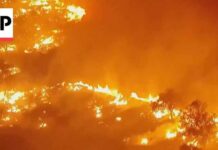
An F-16 Fighting Falcon belonging to the United States Air Force Thunderbirds crashed in the remote Mojave Desert region of central California, creating a massive plume of black smoke visible across the desert landscape. The aircraft, part of the Air Force’s premier aerial demonstration team, was completely destroyed in the impact and resulting fire. The incident represents a significant loss of military equipment and raises questions about what led to the aircraft’s failure during operations in the region.
The Thunderbirds have served as America’s official Air Force aerial demonstration team for decades, performing precision flying shows that showcase military aviation capabilities to the public. These highly trained pilots undergo rigorous selection and training processes. The F-16 Fighting Falcon remains one of the most advanced and reliable fighter aircraft in the world, making this incident noteworthy for military aviation professionals and defense observers alike.
Pilot Ejection Success Reflects Training Excellence
In what officials are describing as a positive outcome from a serious incident, the pilot successfully ejected from the aircraft before impact. This successful ejection underscores the effectiveness of military pilot training, safety equipment, and emergency procedures developed over decades of aviation experience. The pilot’s ability to escape the damaged aircraft demonstrates that our military’s investment in personnel training and life-saving technology continues to protect America’s finest aviators when critical moments demand split-second decisions.
The successful ejection prevented what could have been a tragic loss of life. Military pilots train extensively for emergency scenarios, and this incident validates the rigorous preparation that Air Force personnel undergo. The Mojave Desert’s remote location, while ideal for military operations, also provided a relatively safe area for the emergency ejection away from populated zones, a factor that likely contributed to the positive outcome for the pilot.
Investigation Underway in Remote Desert Location
The Air Force has launched a comprehensive investigation to determine the cause of the crash. Investigators will examine multiple factors including potential mechanical failure, pilot error, weather conditions, and maintenance records. The remote Mojave Desert location, historically used for military aviation operations and testing, provides an appropriate environment for such investigations, though the vast terrain requires thorough search and documentation procedures to gather evidence and determine what went wrong.
US military plane goes down in massive plume of black smoke in California desert https://t.co/YwPYQVfLO1 pic.twitter.com/TGGyYvijaP
— New York Post (@nypost) December 3, 2025
Understanding the root cause of this incident is critical for maintaining the safety and reliability of our military aviation fleet. Whether the crash resulted from mechanical issues, environmental factors, or operational circumstances, the investigation’s findings will inform future maintenance protocols, training procedures, and operational guidelines. The Air Force’s commitment to rigorous investigation processes ensures that lessons learned from such incidents strengthen overall military aviation safety for all personnel and missions.
Impact on Military Operations and Public Confidence
The loss of an F-16 represents a significant financial and operational impact for the Air Force. The Thunderbirds may face temporary operational restrictions pending investigation results, potentially affecting scheduled demonstration flights and public appearances. However, the successful pilot ejection and the Air Force’s transparent investigation approach help maintain public confidence in military aviation safety protocols and the professionalism of our armed forces personnel.
This incident reminds Americans that our military operates complex, high-performance equipment in challenging conditions while maintaining exceptional safety standards. The Thunderbirds’ continued service to the nation—showcasing American military excellence through aerial demonstrations—remains vital to public understanding of military capabilities and the dedication of those who serve. As investigations proceed and findings emerge, the Air Force will continue its mission of protecting America with the highest standards of professionalism and safety.
Sources:
Air Force Thunderbird Crashes in California’s Mojave Desert