

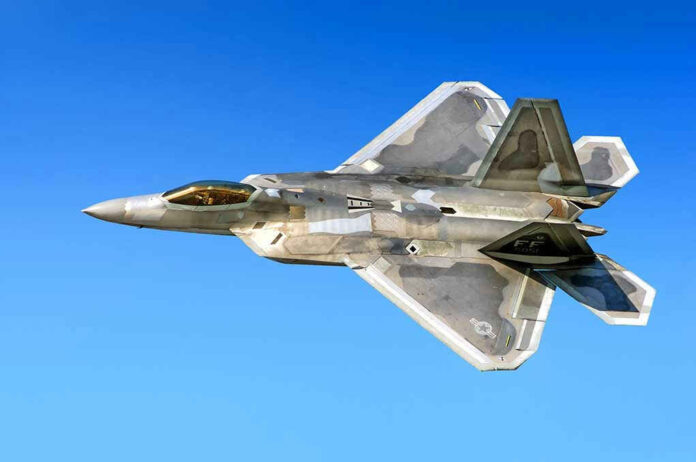
The U.S. Air Force’s readiness crisis unveils a precarious future for national defense.
Story Overview
- U.S. Air Force F-35 aircraft have a 50% availability rate.
- Air Force-wide mission capable rates have plummeted to 67%.
- Systemic sustainment issues and funding constraints exacerbate the crisis.
- Great-power competition looms with the smallest fleet in history.
Falling Readiness Rates
The U.S. Air Force faces a daunting readiness challenge. A recent Pentagon Inspector General audit uncovered that the F-35 aircraft, a cornerstone of modern air combat, is flyable only half the time. This rate starkly contrasts with the minimum requirements needed for effective operational readiness. The issue isn’t isolated; it reflects a broader trend of declining mission capable rates across the Air Force, which have dropped to a mere 67% in fiscal year 2024, marking the lowest point in at least a decade.
This decline signals systemic problems that go beyond individual aircraft types. The Air Force struggles with sustainment issues, a critical shortage of spare parts, and maintenance hurdles that collectively hinder operational capability. These challenges are particularly acute in high-demand fleets, some of which now see availability rates plummeting below 50%. The implications are profound, raising questions about the Air Force’s ability to meet current and future strategic demands.
Historical Context and Current Challenges
The current state of the Air Force’s fleet is historically unprecedented. The service is navigating the complexities of great-power competition with the smallest fleet in its history. This contraction comes at a time when the demand for air superiority and rapid deployment capabilities is intensifying. Yet, the Air Force is tasked with maintaining an aging fleet while simultaneously facing significant funding constraints that restrict new aircraft acquisitions and modernization initiatives.
These constraints are not merely financial. They reflect a broader strategic environment where priorities often shift, leaving critical military needs underfunded. The implications are stark: without a robust and ready Air Force, the U.S. risks a diminished capacity to project power and protect its interests on the global stage, particularly as adversaries continue to enhance their own military capabilities.
Path to Recovery
Addressing the Air Force’s readiness crisis requires a multifaceted approach. First, there must be a concerted effort to resolve the systemic issues plaguing aircraft sustainment. This includes streamlining maintenance processes, improving the availability of spare parts, and investing in the infrastructure necessary to support advanced aircraft like the F-35. Additionally, strategic investments in new technology and modernization programs are critical to replacing the aging fleet and ensuring the Air Force remains competitive.
However, solutions extend beyond technical fixes. Policymakers must prioritize defense funding to align with the strategic realities of modern warfare. This involves not only addressing immediate readiness concerns but also investing in the long-term capabilities that will define the Air Force of the future. Failure to do so risks further erosion of the U.S.’s air power capabilities at a time when they are needed most.
The Broader Implications
The challenges facing the U.S. Air Force are emblematic of broader issues within national defense. As the military continues to adapt to a rapidly changing global landscape, ensuring readiness and capability across all branches becomes paramount. The Air Force’s struggles highlight the importance of sustained investment and strategic foresight in maintaining a robust defense posture.
Ultimately, the path forward requires a balanced approach that addresses immediate readiness concerns while building towards a more resilient and capable future force. As the U.S. grapples with these challenges, the stakes are high—for national security and for the preservation of global stability.
Sources:
U.S. Air Force F-35 aircraft have a 50% availability rate.