

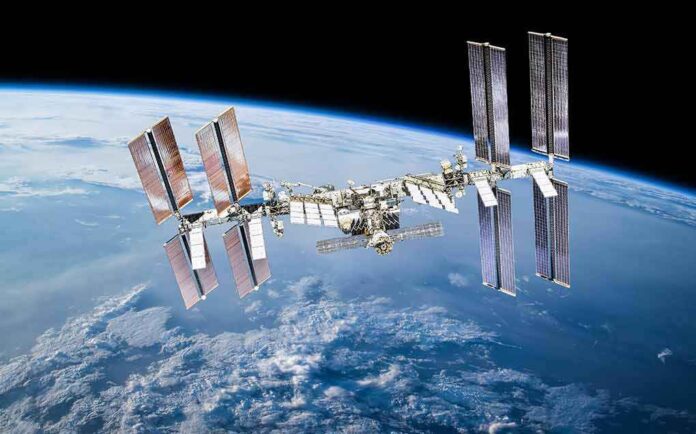
A historic medical evacuation from the International Space Station has sparked discussions on the limits of space medicine.
Story Snapshot
- NASA conducts its first medical evacuation from the ISS, prioritizing astronaut health.
- The Crew-11 mission was cut short, emphasizing health protocols and safety.
- The evacuation was a controlled and routine procedure, demonstrating international cooperation.
- SpaceX’s Dragon Endeavour was integral in the safe return of the crew.
NASA’s First Medical Evacuation: A New Precedent
On January 7, 2026, NASA announced the first-ever medical evacuation from the International Space Station (ISS) due to an undisclosed medical issue experienced by an unnamed Crew-11 astronaut. The decision to prioritize ground treatment marked a historic precedent, aligning with newly refined health protocols post-Shuttle era. The SpaceX Dragon Endeavour undocked on January 14, 2026, safely bringing the crew back to Earth.
The Crew-11 mission, initially planned to last until February 2026, was cut short by a month. This decision highlights NASA’s commitment to astronaut safety and the effectiveness of their revised evacuation protocols. While the astronaut’s condition was stable, NASA deemed it necessary to conduct ground diagnostics to ensure comprehensive medical care, demonstrating a prudent approach to space health management.
International Cooperation and Routine Procedures
The Crew-11 mission involved a diverse team, including Commander Zena Cardman, pilot Mike Fincke, and mission specialists Kimiya Yui and Oleg Platonov. The successful execution of the evacuation underscored the importance of international collaboration in space endeavors. Crew members expressed gratitude for the experience and emphasized the camaraderie that such missions foster among nations.
NASA Administrator Jared Isaacman confirmed that the evacuation followed standard procedures, with no impact on the upcoming Artemis 2 mission. The seamless coordination between NASA and SpaceX during the undocking and reentry exemplifies the reliability of the Commercial Crew Program, which has been operational since 2020.
Implications for Future Space Missions
The decision to return the Crew-11 team early has minimal short-term disruptions to ISS operations, with three crew members continuing their mission until the arrival of Crew-12. In the long term, this evacuation sets a new protocol standard for addressing medical emergencies in space, providing valuable data for future missions.
The evacuation reinforces the need for robust health monitoring systems in space, acknowledging the limitations of in-orbit medical treatment. As space exploration advances, the ability to safely return astronauts to Earth becomes increasingly critical, ensuring missions prioritize both scientific objectives and the safety of their participants.
Sources:
NASA’s First Medical Evacuation from the ISS: Crew-11 Returns Early Due to Astronaut Medical Issue
Live Coverage: NASA, SpaceX Prepare Medical Evacuation, Crew-11 Return to Earth