conservativehub.com — The reason your Memorial Day burger now feels like a luxury item has far less to do with holiday hype and far more to do with a beef pipeline that has been quietly shrinking for years.
Story Snapshot
- Beef prices are hitting records because the national cattle herd has been drawn down to generational lows, not just because everyone wants to grill this weekend.
- Drought, high feed and fuel costs, and expensive borrowing pushed ranchers to liquidate herds, tightening supply for years to come.
- Consumers keep buying beef anyway, which gives processors and retailers little reason to ease up on price.
- Trade policy, packer concentration, and old-fashioned holiday demand all pile on top of the underlying supply squeeze.
Why Your Steak Sticker Shock Was Baked In Years Ago
Local news segments tell viewers that beef prices are “skyrocketing ahead of Memorial Day,” but the groundwork was laid long before anyone bought charcoal. Reports from cattle states describe a United States cow herd at its smallest level in roughly three quarters of a century, the result of years of drought that forced ranchers to sell animals they otherwise would have kept for breeding.[1][2] Once those cows go to slaughter, there is no quick way to restock the pipeline.
Beef production runs on biology’s timetable, not on the holiday calendar. Calves take years to turn into steaks, and expanding a herd requires confidence that feed, fuel, and interest costs will not wipe you out before you sell.[1] Ranchers facing dry pastures and high input costs chose survival over optimism, sending more cattle to market in earlier years and shrinking the breeding base. That decision supported short-term supply then, but it guaranteed tighter beef supplies now.
Holiday Demand: The Match, Not The Powder Keg
Consumer-focused outlets frame the story around cookouts, reporting that a majority of Americans plan to barbecue and that cookout spending continues to rise.[3] Memorial Day does raise demand at the margin, but that seasonal bump happens every year. The reason it feels punishing this time is that the underlying supply curve has shifted. With fewer cattle behind the system, even normal holiday demand pushes prices into record territory instead of just “a little higher than usual.”[3]
Retail data and interviews show consumers still putting beef in the cart despite the pain, because protein, taste, and family tradition matter more than spreadsheet logic for many households.[2][3] From a common-sense conservative perspective, that is exactly how markets are supposed to work: buyers and sellers meet at a price that hurts enough to ration scarce goods. The problem is that this market is not perfectly competitive, which raises fair questions about who is capturing the extra dollars when supply tightens.
When Four Companies Sit Between Your Rancher And Your Grill
Coverage from national business media highlights what ranchers have complained about for years: a small group of large packing and processing companies control the vast majority of the beef slaughter and packaging market.[4] The head of an Iowa farm group bluntly says the middlemen are “driving what farmers can get paid and what consumers are paying,” suggesting that packers’ margins may be widening while both ends of the chain get squeezed.[2] That is not free-market competition; that is concentrated power.
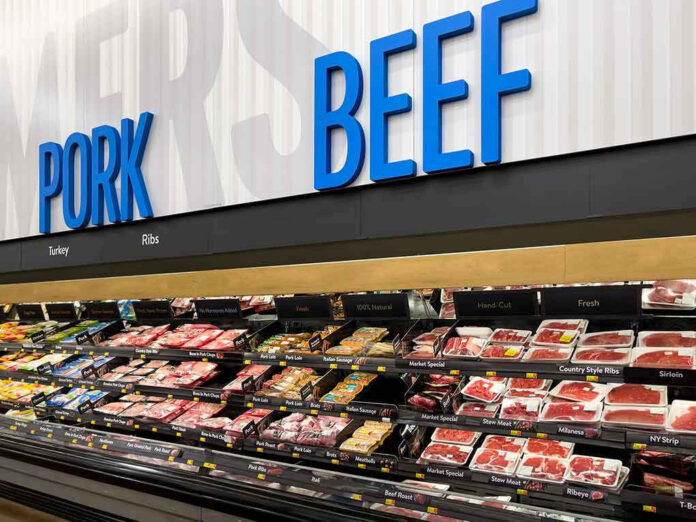
Regulators previously brought and settled cases alleging that big packers restricted supply and manipulated prices.[4] Those settlements do not prove every current price move is collusive, but they justify public skepticism. Someone paying nearly ten dollars a pound for basic cuts has every right to ask how much of that increase reflects true scarcity and how much reflects an oligopoly taking its cut. A serious audit of packer margins versus rancher prices would tell us a lot.
Costs, Tariffs, And Imports: The Complicated Backdrop
Reports also point to a laundry list of cost pressures: feed, fertilizer, fuel, labor, and higher interest rates to finance operations.[3][4] One national analysis notes that many of these costs climbed roughly fifty percent in a few years, and businesses that absorb that kind of hit will not stay in business long.[4] Common sense says those expenses eventually flow into the meat case label, layered on top of the smaller herd. None of that is solved by wagging a political finger at the nearest rancher.
Imagine thinking you’re getting a cheap steak this summer. Beef prices rise as cattle supply declines to a 75-year low, and your wallet is about to pay for it. 🥩
— Goodness And Mercy (@FineAndRich) May 23, 2026
Trade policy complicates the picture further. Stories describe tariffs on Brazilian beef, border disruptions that reduced Mexican cattle imports, and debates about opening the door wider to foreign beef to help domestic supplies.[3][4] Conservatives who care about both national security and food independence face a real tension here. Rely more on imports, and you blunt price spikes but depend on foreign producers. Clamp down on imports, and you protect domestic ranchers but accept higher prices until the herd rebuilds.
What This Means For Your Grocery Cart And Your Politics
For families, the practical questions are simple: do you trade down to pork or chicken, grill smaller portions, or swallow the cost because “it’s just once a year”? For policymakers, the questions are harder. Ranchers need regulatory and tax predictability to rebuild herds. Consumers deserve a competitive packing sector instead of a cozy club. And voters should demand transparency: clear data on herd sizes, packer margins, and how much each policy choice moves the price on that package of burgers.
Sources:
[1] YouTube – Beef prices reach record highs before Memorial Day weekend
[2] YouTube – Beef prices hit all-time highs ahead of Memorial Day
[3] Web – Beef prices soar as Americans prepare for Memorial Day cookouts
[4] YouTube – Americans expected to spend more on Memorial Day barbecues as …
© conservativehub.com 2026. All rights reserved.