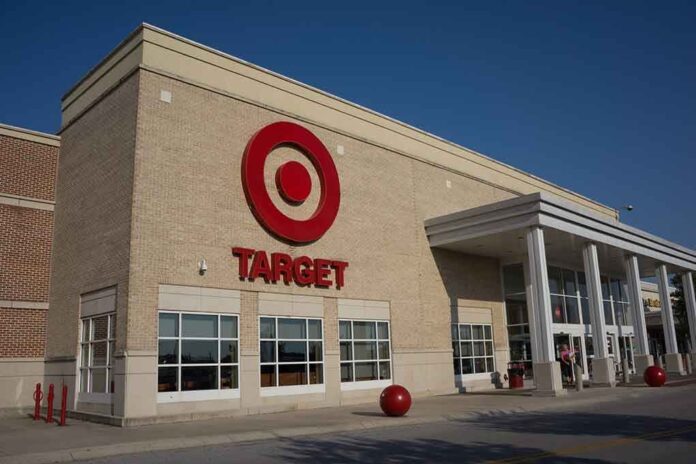
Target’s CEO exits after years of “woke” policies and declining sales, raising tough questions about the cost of putting politics ahead of customers.
Story Snapshot
- Brian Cornell steps down as Target CEO following persistent sales declines and backlash over controversial social agendas.
- Incoming CEO Michael Fiddelke is tasked with restoring profitability and rebuilding trust among disillusioned shoppers.
- Target’s focus on progressive branding and inclusivity is under fire for alienating its core customer base and contributing to operational problems.
- The retailer’s struggles signal the risks of prioritizing political messaging over business fundamentals, with broader implications for corporate America.
Leadership Shakeup as Target Faces Consequences of “Woke” Strategy
Target, one of America’s largest retailers, announced that CEO Brian Cornell will step down after an 11-year tenure marked by dramatic shifts in company culture and strategy. Cornell’s leadership, once credited with reviving the brand, increasingly drew criticism for embracing progressive social messaging and so-called “woke” policies. As sales slumped and operational headaches mounted, the company’s board named Michael Fiddelke, the current Chief Operating Officer, as the next CEO, effective February 2026. This transition comes after Target posted a 1.9% decline in comparable sales and a stock drop of over 10%, signaling that consumers and investors have lost patience with the retailer’s direction.
During Cornell’s tenure, Target invested heavily in rebranding efforts, including high-profile store remodels and a significant push towards inclusive marketing campaigns. While the retailer initially saw success with these changes, recent years brought mounting evidence that many shoppers felt alienated by initiatives perceived as prioritizing politics over value and convenience. Customers complained about out-of-stock items, long checkout lines, and stores described as increasingly messy. Industry analysts and conservative commentators argue that Target’s strategy not only distracted from its core mission, but also eroded the trust of families and traditional shoppers who once formed the backbone of its business.
Operational Failures and Customer Backlash Undercut Brand Loyalty
Problems at Target extended far beyond branding. Analysts cite operational missteps—ranging from inventory shortages to slow service and disorganized stores—as key factors in the retailer’s decline. Neil Saunders, a leading retail expert, observed that these day-to-day issues “actively train customers not to shop at Target,” especially when inflation and economic uncertainty force Americans to demand more value for their money. While competitors like Walmart doubled down on efficiency and affordability, Target’s focus on social causes left many customers feeling neglected. This disconnect prompted widespread calls for a return to business basics and a renewed commitment to serving mainstream American families.
Target’s leadership turmoil is reminiscent of similar crises at other major retailers, such as Kohl’s and Bed Bath & Beyond, which also faced backlash for losing sight of their core customers. The rapid decline in sales and the immediate negative reaction from the stock market illustrate how quickly consumer sentiment can turn when companies appear to abandon the principles that made them successful. For conservative Americans, Target’s struggles serve as a powerful warning against policies that undermine traditional values, promote divisive agendas, or prioritize government and activist approval over the everyday needs of working families.
What’s Next: Can Target Recover by Refocusing on Conservative Values?
With Michael Fiddelke set to take the helm in early 2026, Target’s future hinges on the company’s willingness to reverse course and address the concerns of its alienated customer base. Fiddelke has publicly acknowledged the urgent need for improvement, committing to “build new momentum” and “get back to profitable growth.” The leadership change is being watched closely by industry analysts, shareholders, and millions of shoppers who hope Target will once again prioritize affordable products, family-friendly environments, and respect for American traditions. Whether the company can recover its lost ground remains uncertain, but the lesson for corporate America is clear: ignoring the values of everyday Americans comes with real consequences.
Target CEO Who Steered Struggling Retail Giant Into Wokeness to Step Down: Company 'Lost Its Grip'
Target went woke and paid a hefty price.https://t.co/1zLtCAuG5O pic.twitter.com/UDd0U0cIRR
— Twisted Eagle (@twisted_eagle) August 21, 2025
The broader implications reach far beyond Target. As other companies weigh the risks and rewards of embracing divisive social issues, the fallout at Target stands as a cautionary tale. The retailer’s experience demonstrates that when businesses stray from serving customers and protecting the values that built their brands, they risk not only their reputations, but their very survival. For conservative readers, Target’s leadership shakeup is a reminder to remain vigilant against corporate overreach and the erosion of time-honored American principles.
Sources:
Target CEO Brian Cornell to step down in February, Michael Fiddelke named as successor – Axios
Target hires new COO Michael Fiddelke CEO; Brian Cornell steps down in February – MPR News