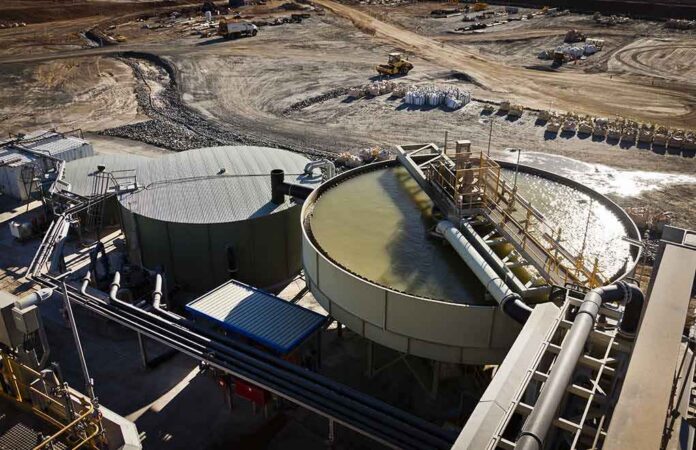
conservativehub.com — Eleven lives were lost after a white liquor chemical tank imploded at a Washington paper mill—yet the most reliable records during the crucial first days could only verify a grim, shifting count and a cause shrouded in unanswered questions.
Story Snapshot
- Federal investigators opened a probe into a fatal chemical tank implosion at Nippon Dynawave’s Longview mill [1]
- Officials initially confirmed two deaths while nine others were presumed dead as recovery unfolded [2]
- Local updates described ongoing family notifications and a half-million-gallon chemical spill [4]
- The mechanism of failure remained under investigation with no official cause named [1][3]
What Authorities Confirmed And What They Did Not
The United States Chemical Safety Board (CSB) opened a formal investigation into what it called a fatal chemical tank implosion at the Nippon Dynawave Packaging mill in Longview, Washington, citing multiple fatalities and serious injuries while acknowledging unanswered questions about cause and sequence [1]. Oregon Public Broadcasting reported two confirmed deaths and nine presumed dead within the first 24 hours, underscoring the mass-fatality scale and the gap between confirmed identifications and field realities [2]. Packaging industry reporting corroborated that the company acknowledged a collapsed chemical tank with multiple casualties and an active investigation [3].
Local television updates from the recovery zone emphasized a half-million gallons of spilled white liquor and families already notified of loved ones lost, reinforcing the scale and stakes facing responders and investigators [4]. Footage from the site showed the devastation and relayed that officials still worked to account for missing workers as operations advanced, a sobering reminder that casualty figures often lag behind on-the-ground truth in complex industrial scenes [5]. These early, carefully couched updates aligned with prudent emergency communications rather than sensational certainty about headcounts or causes.
How Mass-Casualty Counts Evolve In Real Time
Early numbers in industrial disasters rarely stabilize quickly because responders must secure hazards, locate remains, and confirm identities before officials speak definitively. The Longview sequence followed that familiar pattern: multiple fatalities signaled in the first federal statement [1], two confirmed deaths plus nine presumed dead in local reporting [2], and ongoing recovery updates while cause remained undetermined [4][5]. From a common-sense perspective, accuracy beats speed. American conservative values of prudence and accountability call for restraint until coroners and investigators can back numbers with names and evidence.
Reports that jump straight to a tidy total risk outrunning the coroner, the investigators, and the truth. The resilient approach insists on sourcing claims to primary records, naming the investigative authority, and distinguishing confirmed identifications from presumptions. That discipline protects the families from rumor, preserves trust in institutions, and prevents policy debates from being built on sand. The Longview case illustrates why provisional figures should be treated as provisional—and why solid confirmation matters more than viral certainty.
What Could Have Failed And Why It Matters
The investigation’s core engineering question centers on why a large white liquor tank—an alkaline process chemical vessel integral to pulp-making—collapsed inward. The CSB’s decision to probe indicates potential learnings for design, maintenance, and emergency readiness across the paper industry and other sectors using corrosive, high-pH solutions [1]. While commentators floated theories such as corrosion, vacuum collapse, or venting failures, none rose above speculation absent metallurgical analysis, design review, and maintenance record audits—work the CSB and technical teams typically perform before assigning cause [1][3].
The environmental dimension complicates recovery and raises regulatory scrutiny. Local coverage referenced a massive release of white liquor, prompting air and water monitoring, containment steps, and community assurances [4]. Packaging industry briefings underscored that the company was assessing impacts while investigations proceeded [3]. Until agencies publish sampling data and enforcement actions, practical conservatism suggests trusting measured monitoring and documented violations over conjecture, and pushing for transparent release of testing and corrective plans to prevent a repeat.
Accountability That Actually Prevents The Next One
Accountability must be more than headlines. The path that respects workers and communities includes a clear chain: coroner-verified identifications, an unflinching CSB root-cause report, public access to relevant maintenance and inspection histories, and enforceable corrective actions. The CSB’s role is pivotal because its findings often drive design standards and operating procedures industry-wide [1]. Local reporting affirmed the human toll and the scale of the spill [2][4], while trade coverage confirmed corporate acknowledgment of multiple casualties and an open cause question [3]. That factual spine—not speculation—should anchor reforms.
Sources:
[1] Web – HORRIFIC: 11 Workers Killed in Massive Toxic Chemical Tank Implosion …
[2] Web – CSB News Release – Chemical Safety Board
[3] Web – Longview paper mill disaster could be ‘deadliest industrial tragedy in …
[4] Web – Nippon Paper assessing impacts after deadly Washington mill …
[5] YouTube – Seventh person recovered from site of Longview tank implosion, fire …
© conservativehub.com 2026. All rights reserved.