
An active-duty Green Beret’s attack on the Trump International Hotel Las Vegas raises disturbing questions about security and motive.
Story Overview
- A Tesla Cybertruck explosion outside Trump Hotel injures seven.
- Perpetrator was a U.S. Army Special Forces soldier.
- Digital letters and manifesto cite political motives and mental distress.
- Federal investigation launched due to national security concerns.
Attack Details and Immediate Aftermath
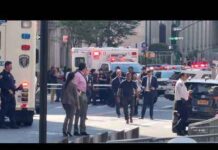
On January 1, 2025, Matthew Alan Livelsberger, an active-duty U.S. Army Special Forces soldier, orchestrated an explosion outside the Trump International Hotel Las Vegas using a Tesla Cybertruck rigged with fireworks, gas canisters, and camping fuel. The incident injured seven bystanders and resulted in Livelsberger’s death by a self-inflicted gunshot wound. The attack prompted an immediate response, with the hotel evacuated and authorities launching an investigation into the motives and implications of the attack.
The Cybertruck, rented by Livelsberger in Colorado, was traced through Tesla charging stations as it traveled through multiple states before arriving at the hotel. The explosion occurred just 17 seconds after parking in front of the hotel entrance, highlighting the precision and planning involved in the attack. Federal authorities have taken over the investigation due to the discovery of a manifesto and digital letters that reveal complex motives, including political grievances and mental distress.
Security and Investigation Challenges
The unusual nature of the attack, involving a high-profile vehicle and a decorated soldier, presents significant challenges for law enforcement and federal agencies. The Las Vegas Metropolitan Police Department, along with federal authorities, is tasked with unraveling the motives behind the attack and addressing the broader security implications. The involvement of a U.S. Special Forces member raises concerns about mental health support for military personnel and highlights potential gaps in current security protocols.
Federal authorities have classified parts of the investigation, particularly concerning the manifesto’s contents, which cite political disillusionment and perceived military cover-ups. These revelations have sparked debates over the classification of such attacks as terrorism, given the mixed motives and the symbolic target of the Trump International Hotel. The incident has also prompted discussions on the security of high-profile venues and the role of new technologies, like electric vehicles, in facilitating such attacks.
Implications and Future Considerations
The attack’s implications extend beyond immediate security concerns, potentially affecting military policies, mental health support, and carsharing platforms. Heightened security measures at hotels and similar venues are anticipated, alongside increased scrutiny of vehicle rental procedures to prevent misuse. The involvement of a Tesla Cybertruck, a cutting-edge electric vehicle, has also raised questions about the vulnerabilities of such technologies in this context.
As authorities continue to investigate, the focus remains on preventing future attacks and addressing the underlying issues highlighted by this incident. The case underscores the need for comprehensive mental health support for military personnel and the importance of adapting security measures to address new technological challenges in the evolving landscape of domestic security threats.
Sources:
Wikipedia: 2025 Las Vegas Cybertruck explosion
ABC News: Suspect in Las Vegas Cybertruck explosion was Army member on leave
Teslarati: Tesla Cybertruck explosion probe ends with federal involvement