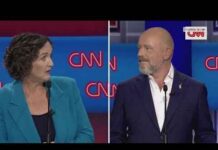


Governor Hochul faces accusations of targeting lawmakers amid a multi-billion dollar Medicaid scandal—raising urgent questions about political retaliation and the fate of New Yorkers’ healthcare.
Story Highlights
- NY State Senators demand Hochul release evidence regarding her Medicaid overhaul and ongoing investigation.
- Lawmakers allege Hochul is retaliating against critics as scrutiny mounts over an $11B Medicaid scandal.
- The Consumer Directed Personal Assistance Program (CDPAP) overhaul is at the center of transparency and accountability concerns.
- Questions emerge about the erosion of public trust and the politicization of essential healthcare programs in New York.
NY Senators Demand Answers in Medicaid Probe
State Senators Jim Skoufis and Gustavo Rivera announced plans to formally request Governor Hochul’s administration hand over critical evidence related to the ongoing investigation into her overhaul of the Consumer Directed Personal Assistance Program (CDPAP). Their letter, expected Tuesday, intensifies pressure on Hochul to clarify the nature and scope of changes to the Medicaid program, which faces allegations of up to $11 billion in mismanagement. The senators’ demand highlights a growing rift between the legislature and the governor’s office over transparency and accountability in healthcare spending.
Lawmakers Claim Political Retaliation Threatens Oversight
Senators Skoufis and Rivera publicly allege that Governor Hochul is using the investigation as a tool to target political opponents and silence critics of her Medicaid policies. Their concerns center on what they describe as a pattern of retaliation that undermines legislative oversight and threatens the integrity of public health programs. The lawmakers argue that such tactics not only erode the checks and balances essential to constitutional governance but also risk diverting attention from the substantive issues at the heart of the Medicaid scandal.
Medicaid Overhaul Sparks Conservative Outrage
Conservative observers point to the Medicaid overhaul as emblematic of broader frustrations with left-leaning governance in New York. Many criticize the lack of fiscal discipline, transparency, and respect for taxpayer dollars, especially in light of mounting evidence of waste and abuse in the $11 billion program. The CDPAP changes, intended to streamline personal assistance for vulnerable residents, have instead generated confusion and alarm among both recipients and providers. Critics argue that politicizing essential healthcare programs sets a dangerous precedent and undermines public trust in government institutions.
Erosion of Trust and Family Values Under Scrutiny
For conservative New Yorkers, the scandal is not just about dollars and cents—it’s about the erosion of foundational values: transparency, accountability, and the protection of family and community interests. The alleged targeting of lawmakers for demanding answers reflects a broader concern about government overreach and the suppression of dissent. Many believe that unchecked political retaliation threatens the constitutional principles that safeguard liberty and fair representation. As the investigation unfolds, constituents remain vigilant, demanding reforms that restore trust and prioritize the needs of ordinary families over political expediency.
Limited Data Hampers Deeper Analysis
Available research provides only a snapshot of the ongoing Medicaid probe and lawmakers’ response, with detailed evidence and administrative records yet to surface. Without full disclosure from Governor Hochul’s office, the scope and impact of the alleged $11 billion scandal remain unclear. Lawmakers and constituents alike await further developments, urging continued oversight and demanding that transparency prevail over political maneuvering. The state’s future depends on restoring accountability and reining in policies that threaten both fiscal health and constitutional freedoms.