
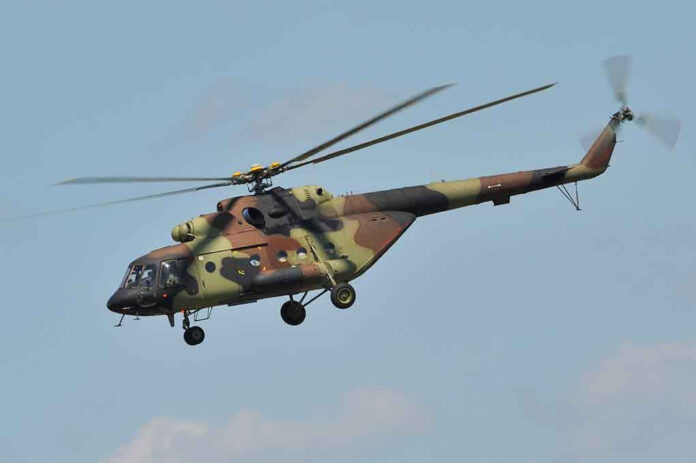
A tragic helicopter crash claims the lives of four elite U.S. Army soldiers, underscoring the risks faced by those who defend our nation.
Story Highlights
- Four soldiers from the elite 160th Special Operations Aviation Regiment died in a helicopter crash.
- The incident occurred during a routine training flight near Joint Base Lewis-McChord.
- The Army has released the names of the deceased soldiers.
- The crash prompted a call to review safety protocols and training procedures.
Details of the Tragic Incident
On the night of September 17, 2025, a MH-60 Black Hawk helicopter crashed near Summit Lake, Washington, resulting in the deaths of four U.S. Army soldiers. These soldiers were part of the 160th Special Operations Aviation Regiment, commonly known as the “Night Stalkers.” This elite unit specializes in nighttime and low-level flight operations, often supporting high-profile missions for SEAL Team 6 and Delta Force.
The crash site was located the following day, but recovery efforts were initially hampered by a fire at the scene. By September 19, the Army confirmed that all four soldiers were believed dead. The names of the deceased – Chief Warrant Officer Andrew Cully, Chief Warrant Officer Andrew Kraus, Sergeant Donavon Scott, and Sergeant Jadalyn Good – were released on September 22, after ensuring proper family notifications.
Understanding the Context
The 160th SOAR, stationed at Joint Base Lewis-McChord in Washington state, routinely conducts training flights to maintain mission readiness. The MH-60 Black Hawk is a standard aircraft for such operations. While military aviation accidents during training are rare, they do occur and often lead to reviews of safety protocols. The crash occurred under mostly clear weather conditions, with no initial reports of mechanical failure or adverse weather impacting the flight.
This incident represents a profound loss for the Army’s special operations community. It highlights the inherent risks faced by these elite aviators. In response, the Army is conducting a detailed investigation into the cause of the crash, with findings yet to be released.
Impact and Reactions
The tragic deaths have deeply affected the families of the soldiers, their unit, and the broader Army community. Lt. Gen. Jonathan Braga of the U.S. Army Special Operations Command praised the soldiers as “elite warriors” and extended condolences to their families. Col. Stephen Smith of the 160th SOAR emphasized the dedication and excellence of the fallen soldiers.
The crash may lead to a review of training and safety protocols across the military, potentially influencing future procedures to ensure the safety of those serving in high-risk roles. The incident underscores the importance of continued investment in training and equipment modernization to mitigate risks in military aviation.