
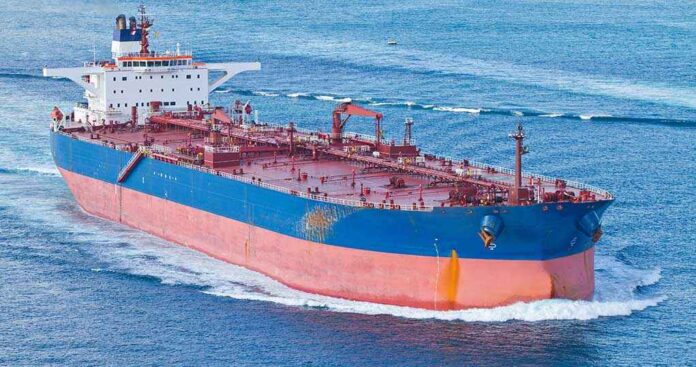
Russia’s latest maritime decree demands all foreign ships secure FSB approval before docking, sparking chaos at its ports.
At a Glance
- President Putin signed a decree requiring FSB approval for foreign vessels entering Russian ports.
- The decree has led to port congestion and disruption of trade operations.
- FSB now controls port access, previously managed by the Ministry of Transport.
- Many ships are stranded or delayed, impacting Russian exports and global trade.
Russia’s New Port Security Measures
President Vladimir Putin’s decree, signed in July 2025, has shifted the control of foreign vessel entry into Russian ports from the Ministry of Transport to the Federal Security Service (FSB). Now, all foreign ships must obtain FSB approval to access any Russian port, a move that has already caused significant disruption in maritime operations. This decision comes amid increasing security concerns linked to ongoing Russia-Ukraine hostilities and heightened Western sanctions targeting Russian maritime trade.
Historically, the Ministry of Transport managed port entries, with FSB intervention limited to ports near naval bases or under special circumstances. This new decree extends FSB oversight to all ports, reflecting Russia’s wartime posture and increased security priorities. The change follows a series of explosions and drone attacks on Russian ports, attributed to the conflict with Ukraine, alongside intensified Western monitoring of Russian shipping activities.
Immediate Fallout and Confusion
The decree took immediate effect on July 21, 2025, and has already resulted in severe operational disruptions. Reports from Russian ports indicate widespread confusion due to unclear procedures and a lack of coordination between the FSB and the Ministry of Transport. This bureaucratic chaos has left dozens of foreign ships waiting offshore, unable to enter due to the new approval requirements.
No official explanation has been provided by Russian authorities for this rapid policy shift. However, media reports have highlighted the confusion and lack of preparedness among port authorities and the Ministry of Transport. Exporters are particularly affected, facing threats to their operations as perishable goods risk spoilage due to delays.
Implications for Trade and Security
The decree’s immediate impact is seen in the paralysis of port operations and the subsequent threat to Russia’s export capabilities. Short-term implications include increased shipping costs and insurance premiums due to the unpredictability and perceived risk associated with Russian ports. Long-term, this could damage Russia’s reputation as a reliable trading partner, with foreign shipping companies potentially rerouting vessels to avoid these new bureaucratic hurdles.
Russia’s exporters, especially in agriculture, oil, and gas, are at risk of losing market share due to these disruptions. The decree also poses a broader threat to global commodity markets, particularly affecting oil, gas, and grain exports. The economic ramifications could lead to job losses in port cities and a reduction in Russia’s export revenues.
Expert Analysis and Perspectives
Maritime analysts have dubbed the decree a source of “bureaucratic chaos,” undermining port efficiency and adding new compliance burdens for the shipping industry. Security experts see it as a strategic move by Russia to safeguard its infrastructure amid the Ukraine conflict, though the costs of such centralization could outweigh the benefits.
While some argue the measure is necessary for national security, critics highlight the lack of transparency and clear procedures. The decree introduces risks of over-centralization and potential for corruption or arbitrary decision-making. Reputable sources confirm the decree’s content and immediate negative effects, emphasizing the operational confusion it has caused.