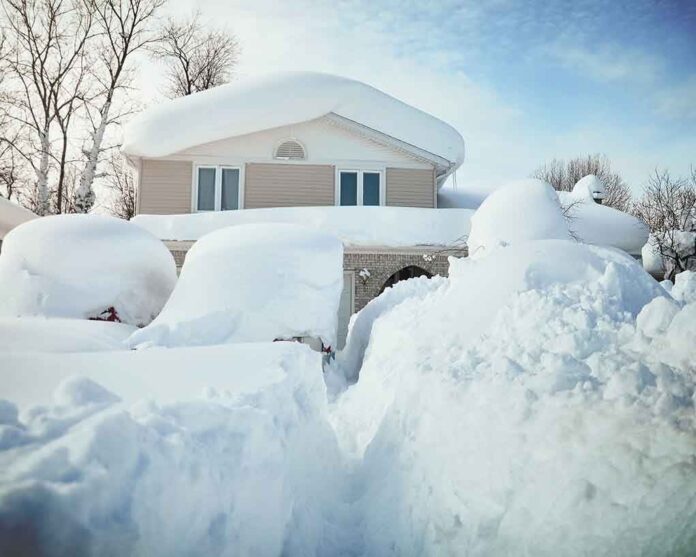
The risks of shoveling snow have resurfaced, threatening to undermine the health of Americans in snow-prone areas.
Story Highlights
- Recent storm in the U.S. led to three cardiac-related fatalities in Pennsylvania.
- Experts warn of the dangers posed by combining cold weather with strenuous activities.
- Men aged 60 and above are particularly vulnerable to heart attacks while shoveling.
- Health organizations urge individuals to exercise caution or hire help instead.
Recent Winter Storm Leads to Tragic Losses in Pennsylvania
A major winter storm swept across large portions of the United States recently, leaving heavy snow and ice in its wake. Tragically, three men aged between 60 and 84 lost their lives in Lehigh County, Pennsylvania, due to heart attacks while shoveling snow. These incidents have been ruled as natural causes by the local coroner, yet they raise significant concerns about the health risks associated with snow shoveling during harsh winter conditions.
The perilous combination of intense physical exertion and frigid temperatures can constrict blood vessels and spike blood pressure, amplifying the risk of heart attacks. This has prompted experts to issue warnings to at-risk groups, particularly older adults and those with pre-existing health conditions such as hypertension or diabetes. Across the snow-prone regions like Minnesota, cardiologists have been cautioning patients even before the storm hit.
The Science Behind Snow Shoveling Risks
Research dating back decades indicates that snow shoveling is a high-stress activity with an alarmingly high level of physical demand. A 2020 scientific statement by the American Heart Association classified it as an activity that can elevate heart rates above 85% of the maximum, within just two minutes of exertion. In cold temperatures, this demand for oxygen is not met by the body, putting severe strain on the heart.
Studies have shown that with just 7-8 inches of snow, the risk of heart attack hospitalizations can rise by 16%, with male mortality increasing by 34%. This makes snow shoveling comparable to, or even more strenuous than, treadmill stress tests. The recent winter storm has only served to amplify these risks, making the activity potentially life-threatening for those not physically fit or accustomed to regular exercise.
Preventive Measures and Expert Recommendations
Health organizations like the American Heart Association have reiterated the importance of taking preventive measures during snowstorms. They recommend hiring help or enlisting fit individuals for snow removal tasks. For those who must shovel, taking frequent breaks and pushing snow rather than lifting it can mitigate risks. Recognizing the signs of a heart attack is also crucial, and immediate medical assistance should be sought if symptoms occur.
Experts emphasize that the risk extends beyond immediate physical exertion. The aftermath of a snowstorm can see a rise in heart attack incidents for up to 28 days, particularly with every 2°F drop below freezing temperatures. This highlights an ongoing need for awareness and caution, especially among older men and those living sedentary lifestyles.
Sources:
Winter Storm Snow Shoveling Heart Attack Risk
Shoveling Snow: Exertion and Cold Temps Raise Heart Risks
Snow Shoveling Can Be Hazardous to Your Heart
Shoveling Snow Could Pose Dangerous Health Risk