

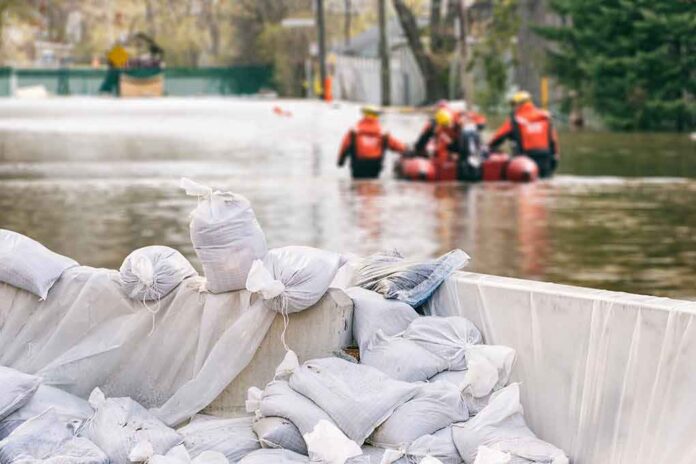
The warning that matters most came with three words: imminent threat to life.
Story Snapshot
- The National Weather Service issued a rare Flash Flood Emergency for Kerr and Uvalde counties.
- Texas officials confirmed fatalities as floodwaters swept away vehicles and an RV.
- Rescuers conducted dozens of water rescues as roads and highways went under water.
- State leaders deployed more than a thousand personnel to the disaster zone.
A Rare, Highest-Level Emergency With Clear Stakes
The National Weather Service elevated warnings to a Flash Flood Emergency for parts of Kerr and Uvalde counties. That label signals the top tier of danger and an immediate risk to life, not just property. Officials paired the alert with plain talk and orders to move to higher ground now, not later. In south-central Texas, that timing matters. Valleys fill fast. Low water crossings become traps. People in vehicles are the most likely to die when they try to cross moving water.
Local reports described relentless rain and fast-rising creeks across Uvalde County. Emergency management noted widespread flash flooding and rainfall totals stacking into the double digits. Crews shut roads because the water kept rising, and the ground could not take any more. The result looked like a maze of dead ends with murky water hiding washed-out pavement and debris. Drivers who turned around lived to tell the story. Those who pressed on risked a deadly gamble.
Confirmed Loss Of Life And A Wave Of Rescues
State officials confirmed at least two deaths tied to the flood surge. One man was swept away in an RV near Comfort. A woman driving in Uvalde lost control to the current. Those details cut through the noise because they show how fast these floods win against people and machines. First responders pulled stranded residents from rooftops and vehicles and ferried families from rising neighborhoods. The scale of these rescues underscores why the emergency tag was warranted.
Governor updates put numbers to the ground effort. The state said more than 1,300 personnel were in the field, with dozens of documented rescues by morning and more calls pending as the rain bands reloaded. Helicopters, high-water trucks, and swift-water teams spread out across the Hill Country. That is what a real surge looks like in a region where creeks can jump their banks in minutes and turn a county road into a river.
Why Hill Country Floods Turn Deadly So Fast
The Texas Hill Country mixes steep terrain, thin soil, and rock that sheds water like a roof. When storms stall, runoff races downhill and stacks into creeks and rivers. That is the recipe for sudden, violent rises. Safety experts say the pattern is known and repeatable, which is why the old advice still holds: do not drive through floodwater. Most victims die in vehicles, often within a few miles of home during a routine trip they thought they could finish.
Forecast offices watch radar totals and river gauges, but flash floods can outrun both in narrow canyons and small basins. That helps explain the leap from a standard warning to a Flash Flood Emergency. The label is not hype; it is a stop sign. It tells you to act now because rescue may not reach you in time. In past Texas floods, hesitation cost lives. Moving early, on foot if needed, often makes the difference between rescue and recovery.
Accountability, Alerts, And Common-Sense Preparedness
Questions always follow disasters: Were alerts fast enough? Did sirens sound? Some outlets have flagged gaps in past events. Those concerns deserve honest answers after the water recedes. But the facts on this day show a clear chain: a highest-level emergency from forecasters, road closures, and a large deployment to save lives. That aligns with common-sense priorities most Texans share: warn people plainly, block danger, send help, and cut red tape so teams can act.
LIFE-THREATENING FLASH FLOOD with floating debris in Sonora, Texas on Dry Devils River. The bridge on main street will soon be breached. Inundated homes and vehicles. Flash flood emergency continues#Dominator @meganjrenee @accuweather pic.twitter.com/1YdffbmzgP
— Reed Timmer, PhD (@ReedTimmerUSA) July 17, 2026
Personal readiness closes the last mile. Keep a go bag. Know your safest route uphill. Set alerts on your phone and a weather radio as backup. If you live near a low water crossing, decide now to avoid it when it rains hard. Water wins every time. The state can surge. Counties can close roads. Forecasters can raise the flag. You still choose when to turn around. In the Hill Country, that simple choice remains the most reliable life saver.
Sources:
ialert.com, english.elpais.com, youtube.com, wsj.com, washingtonpost.com, abcnews.com
© conservativehub.com 2026. All rights reserved.