
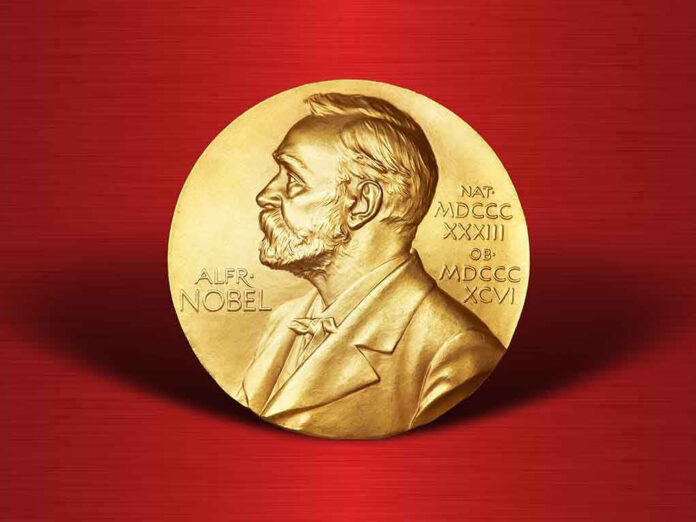
Seven nations have nominated President Trump for the Nobel Peace Prize, igniting fierce debate over global diplomacy and the political integrity of one of the world’s most prestigious awards.
Story Snapshot
- Seven countries cite Trump’s direct role in resolving regional conflicts and nominate him for the 2025 Nobel Peace Prize.
- Coordinated nominations from Armenia, Azerbaijan, Cambodia, Gabon, Israel, Pakistan, and Rwanda mark an unprecedented diplomatic move.
- The Nobel Committee maintains strict confidentiality, fueling controversy and speculation about the legitimacy and motivations of these endorsements.
- International media coverage intensifies debate about the Nobel Peace Prize’s credibility and susceptibility to political influence.
Trump’s Diplomatic Breakthroughs Spark Global Recognition
In July and August 2025, seven nations—spanning the Middle East, Africa, and Asia—publicly nominated President Donald Trump for the Nobel Peace Prize. These governments credit Trump with brokering peace deals and ceasefires in conflicts that have persisted for decades, such as the Armenia-Azerbaijan dispute over Nagorno-Karabakh, the Cambodia-Thailand border crisis, and hostilities between Rwanda and the Democratic Republic of the Congo. Israeli Prime Minister Benjamin Netanyahu’s nomination followed heightened tensions with Iran, underscoring Trump’s pivotal role in advancing regional stability. The coordinated effort by these geopolitically diverse countries is a rare occurrence in the Nobel’s history.
Supporters argue that Trump’s “peace through strength” approach yielded concrete results, citing the Abraham Accords and his willingness to engage directly with adversarial regimes. Armenian and Azerbaijani leaders publicly credited Trump for mediating a lasting peace deal, while Cambodian and Thai officials acknowledged his role in resolving their border dispute. Rwandan and Gabonese leaders praised the end of hostilities in Central Africa, and Pakistan joined as a formal nominator to highlight Trump’s diplomatic interventions in South Asia. These endorsements reflect both gratitude and strategic interests, as nominating nations seek to strengthen ties with the United States and amplify their influence on the world stage.
Controversy Surrounds Nobel Peace Prize Nominations
The Norwegian Nobel Committee, charged with selecting the laureate, operates under strict confidentiality and neither confirms nor denies nominees. Publicized nominations are announced only by the nominators, not the committee, and the official list is kept secret for fifty years. This secrecy has fueled intense speculation and media coverage, with international observers divided over the legitimacy and motivations behind Trump’s nominations. Some analysts draw comparisons to past contentious awards, such as Barack Obama’s 2009 prize and Abiy Ahmed’s 2019 recognition, both of which faced scrutiny over timing and substance. Critics warn that the Nobel Peace Prize risks becoming a tool of political maneuvering rather than a true marker of peacebuilding achievement.
While Trump’s diplomatic record has drawn praise for tangible conflict resolution, experts caution that lasting peace requires sustained cooperation and implementation. Richard Gowan of the International Crisis Group emphasizes, “Agreements are just the first step. The real test is implementation.” Skeptics question the durability of the recent peace agreements and the broader implications for the Nobel’s reputation. Scholars note the prize’s history of recognizing leaders who bridge divides, but they warn that highly publicized nominations may undermine its integrity and shift perceptions of its purpose.
Implications for Conservative Values and Global Politics
For many American conservatives, Trump’s nomination represents both a vindication of his foreign policy and a rebuke of the globalist, left-leaning agendas that have dominated international relations. The recognition of Trump’s efforts to broker peace stands in stark contrast to the woke policies and overspending of previous administrations, which critics argue undermined U.S. strength and credibility abroad. The Nobel Peace Prize, long regarded as a symbol of global ideals, now faces renewed scrutiny over its criteria and susceptibility to political influence. If Trump is awarded the prize on October 10, 2025, it could mark a significant shift in international recognition of conservative leadership and challenge the status quo of global diplomacy.
The broader impact extends to affected populations in Armenia, Azerbaijan, Cambodia, Thailand, Rwanda, and the DRC, who may benefit from reduced hostilities and improved humanitarian conditions. Politically, the nominations have already prompted debate in the U.S. and abroad, with Trump’s legacy as a peacemaker set against a backdrop of ongoing skepticism and controversy. As the Nobel Committee reviews 338 nominations for 2025, the decision will resonate far beyond Oslo, shaping perceptions of leadership, diplomacy, and the values that define the pursuit of peace in a turbulent world.
Sources:
What Trump’s Nobel Nominations Say About the Peace Prize – The Hilltop Online
Donald Trump’s Obsession With The Nobel Peace Prize – Le Monde
Nomination and Selection of Peace Prize Laureates – Nobel Prize Official Site
Press Release: Nominations for the Nobel Peace Prize 2025 – Nobel Peace Prize Official Site
2025 Nobel Peace Prize – Wikipedia