

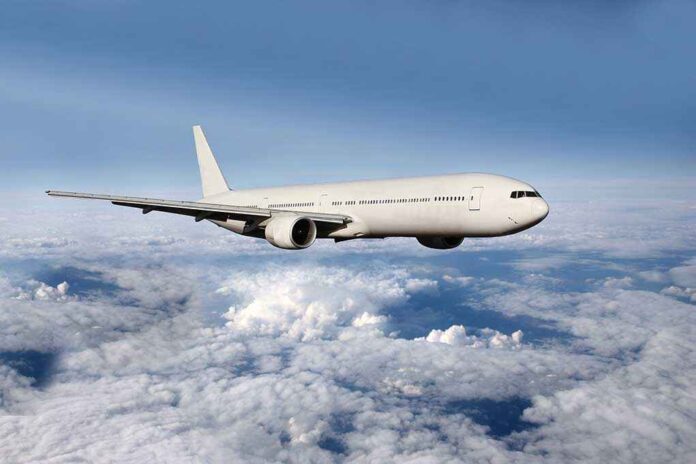
A commercial flight was forced to circle a small French island’s airport for over an hour after the air traffic controller fell asleep on duty, exposing dangerous gaps in aviation safety protocols that put passengers at risk.
Story Overview
- Flight circled Corsican airport for more than an hour when controller fell asleep
- Emergency services called to wake unresponsive controller in tower
- Incident highlights serious aviation safety and oversight failures
- Passengers stranded mid-air due to single point of failure in air traffic control
Controller Negligence Forces Flight to Circle
A commercial flight bound for Corsica was forced into a holding pattern above the airport when the air traffic controller on duty fell asleep. The aircraft circled the airspace for over an hour as the control tower became completely unresponsive to radio communications. This alarming incident demonstrates how individual negligence can compromise the safety of hundreds of passengers who depend on professional oversight for safe landings.
Emergency Response to Wake Sleeping Controller
When repeated attempts to contact the control tower failed, emergency services including firefighters and police were dispatched to the scene. Their mission was to physically wake the sleeping air traffic controller who had abandoned his critical safety responsibilities. The fact that emergency responders had to intervene in basic air traffic control operations reveals systemic failures in monitoring and accountability within aviation infrastructure that conservatives have long warned about regarding government oversight.
Aviation Safety Protocols Compromised
This incident exposes fundamental weaknesses in aviation safety systems that rely on single points of control. Air traffic controllers hold life-and-death responsibility for aircraft operations, yet this case demonstrates inadequate supervision and backup procedures. The absence of redundant safety measures or real-time monitoring of controller performance puts passengers at unnecessary risk. Such negligence in critical infrastructure reflects broader concerns about declining professional standards and accountability in government-regulated industries.
Passengers Pay Price for Professional Failures
The tourists aboard the Corsica-bound flight became unwilling victims of one individual’s dereliction of duty. Circling an airport for over an hour wastes fuel, increases operational costs, and creates unnecessary stress for passengers who trusted the system to function properly. This incident underscores how government employees in critical positions can fail citizens without immediate consequences, highlighting the need for stronger accountability measures and performance standards in aviation safety roles.