

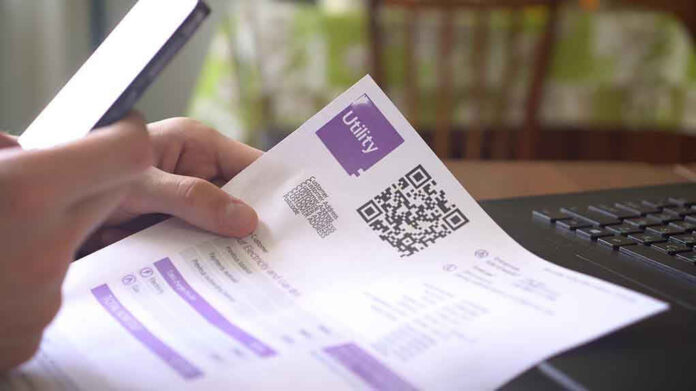
“Quishing” scams are exploiting QR codes to steal millions from unsuspecting consumers, highlighting the urgent need for vigilance and protection.
Story Highlights
- Quishing scams have cost UK consumers over £3.5 million in 2024.
- Fraudsters use QR codes to direct victims to fake websites.
- Difficulty in distinguishing genuine from fraudulent codes increases vulnerability.
- Regulators and banks are reviewing policies to combat this rising threat.
Quishing Scams: A Growing Threat
Quishing has emerged as a significant threat to UK consumers, with fraudsters using QR codes to steal over £3.5 million in 2024. These scams involve criminals placing fake QR codes on legitimate surfaces or sending them digitally, leading unsuspecting victims to fraudulent websites where personal data and payments are stolen. The scam’s rapid rise has caught the attention of authorities and consumer groups, as it exploits the trust placed in these widely used digital tools.
The Financial Conduct Authority (FCA) and other regulatory bodies have issued warnings and are reviewing current authentication and reimbursement policies to address these scams. As the popularity of QR codes increased during the COVID-19 pandemic for contactless interactions, their misuse has evolved, requiring immediate action to protect consumers. Banks and financial institutions are also being urged to enhance their fraud prevention measures to counteract these sophisticated scams.
Impact on Consumers and Industries
The financial impact of quishing scams is severe, with thousands of consumers facing significant losses. The scam has not only affected individual victims but also strained bank fraud departments and consumer support systems. As anxiety grows around the use of QR codes for payments, there is a risk of declining trust in digital payment technologies, potentially influencing the broader retail and hospitality sectors that rely on these tools for efficiency and convenience.
Businesses may need to invest in more secure QR code solutions and improve consumer education to mitigate risks. The ongoing evolution of these scams necessitates continuous monitoring and adaptation by all stakeholders involved, from regulators to technology providers, to ensure consumer safety and trust in digital transactions.
Expert Opinions and Future Directions
Experts emphasize the importance of consumer education and technological innovation in combating quishing scams. Enhanced authentication methods and secure QR code generation technologies are suggested as potential solutions. Meanwhile, consumer advocacy groups like Which? advise the public to be cautious when scanning QR codes, particularly in public spaces or through unsolicited digital communications.
Beware the QR code: How a new scam is costing consumers £10,000 per day A new type of scam cost consumers more than £3.5m last year – make sure you know how to identify it https://t.co/Kwptx0HiCl pic.twitter.com/hsbenKE7bc
— PMA Accountants (@PMA_Accountants) September 10, 2025
The FCA and other authorities continue to stress the need for stronger fraud awareness and consumer protection measures. As long as QR codes remain a convenient tool for transactions and information sharing, the threat of quishing will persist, requiring ongoing vigilance and proactive responses from all parties involved.
Sources:
FCA’s Financial Lives 2024 Survey