

Ella Langley ended a sold-out night with five words that cut through the noise: not worth a human life.
Story Snapshot
- Langley canceled her Tulsa concert after a caller threatened “shots fired and bombs.”
- Police swept the arena multiple times and reported no credible threat at the venue.
- Langley said she acted on advice from authorities, the venue, and her security team.
- The arena said safety for fans, staff, and crew took priority over the show.
What Happened And Why The Show Stopped
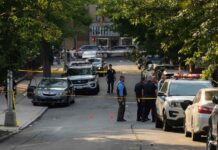
Country artist Ella Langley canceled her October Tulsa concert at the BOK Center after a threat caller warned of “great harm,” including “shots fired and bombs.” Tulsa Police Captain Richard Meulenberg described the call and said teams swept the building several times. Officers reported no credible threat on site. The venue and Langley announced the cancellation, with Langley pointing to the safety of fans, arena staff, and her team as the reason to stand down that night.
Police said bomb-detection dogs and specialized teams searched the arena and surrounding areas. After those checks, police told the performer’s staff they found no credible threat and left the decision to proceed with the artist. The team chose to cancel. That sequence matters because it separates police investigative results from the artist’s risk call, while showing cooperation between all sides under fast-moving pressure.
The Safety Standard That Guides These Calls
Artists, venues, and local authorities face the same reality: when a threat targets a crowd, the risk curve is steep. Even a low-probability danger can carry a high cost if it breaks bad. Venue operators often train to treat threats as real until cleared, then weigh options: delay doors, add layers of screening, or cancel. That playbook showed up in Tulsa with repeated sweeps and a final call that favored caution over a show that could wait one more night.
Langley said the decision came with input from authorities, the venue, and her security team. The BOK Center stressed the safety of “everyone involved” in its statement. Those messages align with standard duty-of-care principles that lean toward protecting life first and sorting refunds, insurance, and logistics later. That order of operations reflects common sense and mirrors how other high-profile acts have responded to specific threat intelligence in recent years.
Police Findings Versus Performer Judgment
Tulsa Police communicated two key points: they conducted several searches with bomb and canine units, and they did not find a credible threat on site. Officers also did not cancel the performance. They shared their findings and left the choice to the performer’s side, which canceled the show. That division of roles is normal. Police clear what they can clear. The artist and venue own the final risk tolerance for their crowd and crew that night.
Some reports called the incident a false bomb threat or suggested a swatting-style call. Police statements to outlets used that framing while also noting they found no credible threat at the arena. That label does not change the duty on the ground. The team had to decide with the information available at showtime, not with hindsight the next morning. From a conservative, common-sense view, protecting families, workers, and first responders outranks keeping a curtain time.
Why This Keeps Happening At Big Shows
Large concerts draw big crowds, fixed schedules, and predictable choke points. That makes them tempting targets for violent actors, even though attacks remain rare. Academic and industry reviews show dozens of attacks or attempts at concerts worldwide across recent decades, with explosives and firearms the most common tools. These patterns force event leaders to act on warnings that a single caller can trigger, because the downside of being wrong is measured in lives, not likes.
Fans carried costs that night. People booked hotels, drove hours, and lined up for a show that did not happen. That anger is real. But safety decisions are not popularity contests. The better measure is whether the team followed a clear process: assess the threat, coordinate with police, search thoroughly, and then choose the path that best protects human life. The record from Tulsa shows those steps occurred, and the call went to caution. That is leadership under pressure.
Sources:
foxnews.com, people.com, tennessean.com, news9.com, koco.com, yahoo.com
© conservativehub.com 2026. All rights reserved.