

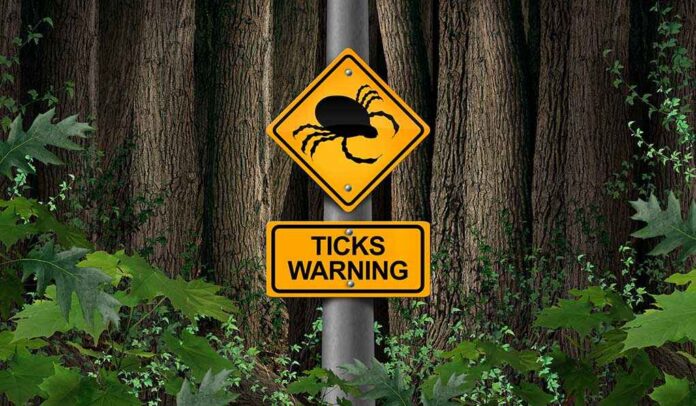
Ticks are more than just a nuisance—they’re a growing public health concern that demands your attention and action.
Story Snapshot
- Tick populations are surging due to climate change, increasing the risk of disease.
- New prevention strategies include permethrin-treated clothing and innovative yard management.
- Updated guidelines emphasize immediate and proper tick removal techniques.
- Public health campaigns are intensifying to reduce tick-borne illnesses.
Understanding the Rise of Tick-Borne Diseases
The 2010s saw a wave of awareness about Lyme disease and similar illnesses, but the situation has intensified. Between 2020 and 2025, tick populations have surged, driven by climate change, which extends their activity season and geographical reach. This increase has prompted health authorities to update their prevention strategies. Evidence-based methods now focus on personal protection and habitat management, targeting both humans and ticks in their environments. As ticks thrive, understanding these dynamics is crucial to staying safe.
Prevention begins with your clothing and gear. Permethrin-treated apparel can drastically cut down the chances of tick bites. The Appalachian Trail Conservancy highlights this as a game-changer for outdoor enthusiasts. Moreover, the CDC and state health departments promote the use of EPA-registered repellents like DEET and picaridin, which have been validated for their effectiveness. These measures are not just recommendations—they’re essential steps in safeguarding against tick-borne diseases.
Innovative Yard Management and Tick Control
Beyond personal protection, managing your yard plays a pivotal role in tick prevention. New techniques such as tick tubes, which target mice—the primary carriers of ticks—are gaining traction. Additionally, landscaping strategies endorsed by the CDC include creating mulch barriers and regularly mowing lawns to minimize tick habitats. Homeowners are encouraged to integrate these practices into their yard maintenance routines to create a tick-free environment. These methods, while simple, are effective in curbing tick populations in residential areas.
Tick control has also become a burgeoning industry. Pest control companies are responding to consumer demands with innovative products and services aimed at reducing tick encounters. The development of natural repellents and biological controls is ongoing, offering alternatives for those concerned about chemical use. These efforts are part of a broader movement to balance effective tick management with environmental considerations.
Immediate Response to Tick Encounters
If prevention fails and a tick is found, prompt and proper removal is crucial. Use fine-tipped tweezers to grasp the tick close to the skin and pull steadily. Avoid twisting or jerking, as this can leave parts behind. Clean the bite area thoroughly with soap and water after removal. Monitoring for symptoms of tick-borne illnesses, such as fever or rash, is essential, and medical advice should be sought if symptoms appear or if the tick was attached for over 24 hours.
Public health campaigns are ramping up as tick season peaks, emphasizing education and awareness. The CDC’s updated guidelines, released in August 2024, are at the forefront of these efforts, providing a comprehensive framework for prevention and response. State health departments also play a critical role, offering localized prevention calendars and resources tailored to specific regional risks.
Sources:
PA Government Tick Prevention Calendar