

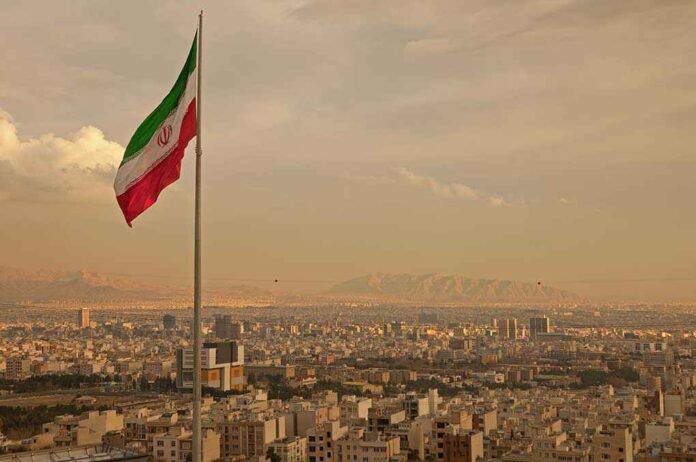
Iran’s flat rejection of the Trump-brokered Azerbaijan corridor exposes a direct challenge to American-led peace efforts, raising alarms about renewed instability and threats to U.S. influence and constitutional priorities in the region.
Story Snapshot
- Iran vows to block the U.S.-backed “Trump Route,” citing threats to its sovereignty and regional leverage.
- The corridor aims to connect Azerbaijan to its Nakhichevan exclave, bypassing Armenia and marginalizing Iran’s influence.
- Military tensions and diplomatic standoffs escalate, undermining U.S. peace initiatives and risking broader conflict.
- Regional power dynamics shift, with Russia, Turkey, and the U.S. vying for control, impacting conservative values and American interests.
Iran’s Rejection: A Blow to U.S. Diplomatic Strategy
In August 2024, Iranian officials publicly declared that Iran will not permit the establishment of a U.S.-brokered corridor linking Azerbaijan to its Nakhichevan exclave. This “Trump Route for International Peace and Prosperity” is designed to bypass Armenian territory, a move intended to bolster regional connectivity while excluding Iran from key transit and trade flows. Iran’s Supreme Leader Ayatollah Ali Khamenei’s advisers labeled the project a threat to national sovereignty and regional stability, warning of “serious consequences” should construction proceed. This stance directly opposes the Trump administration’s policy of countering Iranian and Russian influence while promoting strategic American interests in Eurasia.
The corridor proposal comes amid ongoing diplomatic efforts and intermittent border clashes between Armenia and Azerbaijan that have persisted since the 2020 Nagorno-Karabakh war. While Azerbaijan and Turkey advocate for the corridor as vital for economic integration and security, Iran has responded by mobilizing military assets near its border and conducting exercises to signal its readiness to resist any perceived encroachments. The risk of escalation endangers both local communities and broader U.S. interests, making the issue a focal point in regional power politics.
Strategic Implications for U.S. Interests and Conservative Values
The exclusion of Iran from new transit routes has far-reaching implications for American policy and constitutional values. By supporting Azerbaijan’s direct access to Nakhichevan, the Trump administration seeks to reduce Iranian leverage and strengthen ties with Turkey—a NATO ally. However, Iran’s opposition, backed by military posturing and diplomatic warnings, threatens to destabilize the region and undermine U.S. efforts to promote limited government and secure national interests abroad. Conservative observers highlight that bypassing Iran aligns with protecting American sovereignty and countering adversarial regimes, but the risk of unintended conflict and humanitarian fallout cannot be ignored.
For border communities in Armenia, Azerbaijan, and Iran, the dispute disrupts daily life, trade, and security. Economic consequences loom, with Iran facing potential losses in transit revenue and diminished regional influence. Meanwhile, increased trade between Azerbaijan and Turkey may shift the balance of power, affecting energy and logistics sectors. The controversy also raises questions about government overreach and the erosion of local autonomy, issues central to conservative American values.
Regional Power Struggles and the Risk of Escalation
The Trump administration’s diplomatic push for the corridor reflects a broader strategy to counter Russian and Iranian dominance in the South Caucasus. Russia, while maintaining security ties with Armenia, has adopted a cautious stance, wary of further escalation. Turkey, meanwhile, presses for expanded regional connectivity, reinforcing its alliance with Azerbaijan. These competing interests create a volatile mix, with the potential for proxy conflicts and shifts in alliance structures. Security experts warn that any unilateral moves—especially those perceived as undermining national borders—could trigger broader military confrontation.
NEW 🚨 Iran will not allow the creation under a US-brokered peace deal of a corridor near the Iranian border linking Azerbaijan to its Nakhichevan exclave, an adviser to supreme leader Ayatollah Ali Khamenei said
READ: https://t.co/YaD5OUN7tT
— The Crypto Bull (@TheCryptoBull11) August 9, 2025
Western diplomats generally support increased connectivity for the sake of stability and economic growth but caution against ignoring the sovereignty concerns of regional players. Iranian and Armenian analysts emphasize the dangers of external interference and highlight the risk of displacement for ethnic minorities and border populations. The corridor remains a flashpoint not just for local actors but also for global powers trying to assert their influence while safeguarding conservative values such as national security, individual liberty, and the constitutional order.
Expert Perspectives and Constitutional Concerns
Industry analysts and scholars agree that the Trump-backed corridor could undermine Iran’s regional role and threaten its economic interests, while also serving as a test case for American diplomatic effectiveness. The situation highlights the persistent threats to constitutional governance and self-determination posed by hostile regimes and reckless international adventurism. Security experts caution that bypassing Iran may provoke aggressive countermeasures, further destabilizing an already volatile region. With the corridor’s future uncertain and diplomatic negotiations ongoing, conservative Americans remain vigilant, recognizing that any erosion of sovereign rights abroad can set dangerous precedents for domestic constitutional protections and national interests.
Sources:
Iran will not allow Trump-backed corridor linking Azerbaijan to exclave: Khamenei aide
Not Under Pressure or Sanctions: Tehran and Key European Powers Discuss Resuming Nuclear Talks
Iran International: Diplomatic Developments
European Powers Resume Nuclear Talks with Iran
Nuclear Agreement – JCPOA (European External Action Service)