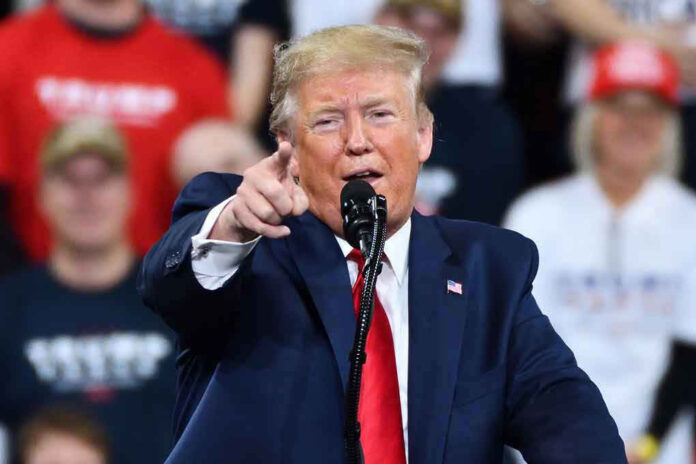
President Trump’s aggressive campaign to root out “woke” ideology from the Smithsonian has ignited a cultural firestorm, signaling a direct challenge to years of left-leaning narratives embedded in America’s most prominent museums.
Story Snapshot
- A coalition of conservative groups is backing Trump’s executive order to purge “woke” content from Smithsonian museums.
- The effort targets exhibits on slavery, systemic racism, and gender identity, citing them as divisive and undermining American values.
- Smithsonian leadership faces mounting pressure as a sweeping internal review unfolds and some exhibits are already being altered.
- This intervention is reshaping national debates on history, identity, and executive power over public institutions.
Conservatives Rally Behind Trump’s Smithsonian Overhaul
In September 2025, a coalition of conservative organizations publicly urged President Trump to intensify his campaign to purge “woke” content from the Smithsonian Institution. Their letter, released just days after Trump’s renewed criticism of the museums’ focus on themes like slavery and gender, was explicit: restore pride in American history and eliminate what they describe as divisive, leftist narratives. This coalition includes high-profile groups such as the Bull Moose Project, Article III Project, and the 1776 Project PAC, amplifying calls for a comprehensive review of exhibits that, in their view, threaten patriotic education and national unity.
President Trump’s March 2025 executive order set the stage for this sweeping review, mandating the removal of “improper ideology” from Smithsonian museums. The 120-day internal assessment, currently underway, is focusing on eight major museums and their public-facing content. Early targets include exhibits addressing systemic racism, gender identity, and illegal immigration, which the coalition claims distort America’s founding ideals and contribute to what they call a “woke infestation.” Some displays have already been modified, such as the Museum of American History’s references to Trump’s impeachments, reflecting the administration’s commitment to rapid change.
A Battle Over National Identity and Historical Representation
The Smithsonian’s leadership, led by Secretary Lonnie Bunch, has pushed back, emphasizing a commitment to historical accuracy and inclusive representation. Curators and staff argue that confronting difficult chapters—such as slavery and civil rights—is essential for honest public understanding. However, the Trump administration and its supporters counter that the current focus on America’s flaws, especially in federally funded institutions, undermines the nation’s heritage and sows division among citizens. This tension is now playing out in interviews, exhibit reviews, and increasingly public debates about who controls the narrative of American history.
While the review proceeds, the stakes extend far beyond the Smithsonian’s walls. Advocates for the overhaul warn that unchecked “woke” agendas could erode constitutional values, diminish family traditions, and fuel government overreach—all issues that resonate deeply with conservative Americans. Opponents, meanwhile, see the intervention as a dangerous politicization of culture and a threat to academic and curatorial independence. The result is a highly charged environment, with advocacy groups on both sides mobilizing supporters and scrutinizing every curatorial decision for signs of political influence.
Broader Implications: Museums, Education, and Executive Power
The Smithsonian reform is already serving as a bellwether for cultural and political battles nationwide. Other museums and educational institutions are closely monitoring the outcome, as executive intervention here could set a precedent for similar actions elsewhere. In the short term, Americans can expect ongoing alterations to museum content and heightened public debate over what constitutes “truthful” history. Long-term, this confrontation may reshape how future generations encounter the nation’s story, potentially polarizing public discourse on history, identity, and the limits of presidential authority over cultural institutions.
Coalition Backs Trump’s Efforts to Purge ‘Woke’ Smithsonian Exhibits https://t.co/jqya2ooDzZ
— ConservativeLibrarian (@ConserLibrarian) September 22, 2025
Expert voices remain divided. Some museum professionals warn that erasing hard truths jeopardizes public understanding, while coalition-aligned scholars insist that current exhibits undermine patriotism and social cohesion. As the review continues, visitors, educators, and families will be directly affected by changes to what America’s museums choose to remember—and what they choose to leave out. The debate is far from settled, but one fact is clear: the fight over the Smithsonian’s future is now at the heart of America’s ongoing culture war.
Sources:
Trump vows to purge ‘woke’ content from Smithsonian museums
Coalition Backs Trump’s Efforts to Purge ‘Woke’ Smithsonian Exhibits
Restoring Truth and Sanity to American History
President Trump is Right About the Smithsonian