

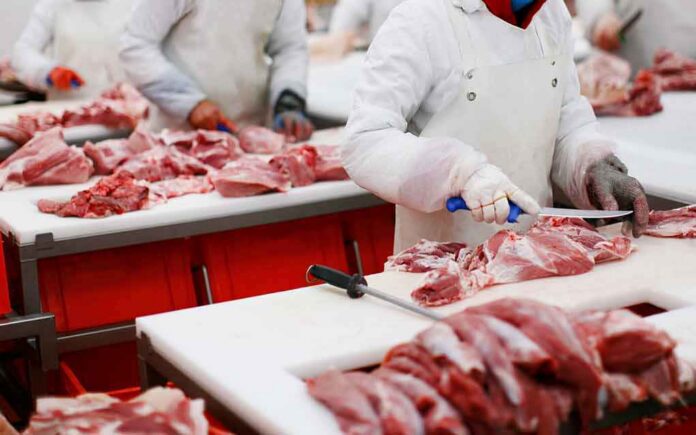
Florida agents raided an Orlando slaughterhouse and made multiple arrests after undercover footage sparked animal cruelty allegations.
Story Snapshot
- State and federal officers raided Ali Meat International in Orlando.
- Florida’s attorney general said multiple suspects were arrested on site.
- Prosecutors plan aggravated animal abuse charges, with more possible.
- The case touches humane slaughter law, criminal cruelty, and religious practice.
Raids, Arrests, And A Pledge To Prosecute
Florida Department of Agriculture and Consumer Services officers, with federal partners, executed a raid at Ali Meat International in Orlando on November 20, 2026. Florida Attorney General James Uthmeier announced “multiple arrests” and said prosecutors will file aggravated animal abuse charges. He thanked Agriculture Commissioner Wilton Simpson’s team and said the investigation remains active. Local reporting said several people will face aggravated animal abuse counts linked to alleged conduct at the South Dean Road facility.
Authorities moved after a complaint and undercover video alleged torture and unlawful handling. Officials have not released charging documents yet. Prosecutors signaled aggravated counts, which in Florida can reach felony-level penalties. That stance tells the public this is not a paperwork case. It is a welfare case. American conservative values support equal enforcement under law, respect for lawful faith practice, and strict penalties for cruelty when evidence shows it.
What The Law Demands Inside A Slaughterhouse
Federal law and state rules require quick, humane handling at slaughter. When plants fail, inspectors can stop operations, suspend a line, or refer matters to higher authorities. Across the industry, humane-handling enforcement actions occur every year. The United States Department of Agriculture issued 199 such actions from 2021 through 2023, or about 66 per year. Those actions track violations, not guilt, but they show humane rules get tested often, and most facilities correct problems without criminal cases.
Criminal prosecutions for slaughter violations remain rare, especially in federally inspected plants. Advocacy research has long argued that the United States Department of Agriculture hesitates to refer cases for criminal charges, even after repeats. That is why the Florida raid stands out. State leadership moved fast and loud, with a public promise to pursue aggravated counts. That approach signals a clear standard: consumer trust and animal welfare matter more than any plant’s convenience.
Religion, Rights, And The Line Between Ritual And Abuse
Religious slaughter, including halal and kosher methods, is lawful in the United States. Courts have upheld accommodations for ritual slaughter within humane frameworks, finding no violation of the Constitution’s Establishment Clause when the law makes room for faith-based methods that meet defined standards. The current case is not a referendum on faith. It is a test of the line between protected ritual and criminal cruelty. If evidence shows torture or needless suffering, that crosses the line set by both law and common decency.
Officials must keep two truths in view at once. Freedom of religion is a core American right. Equal treatment under the law is also a core right. When a facility invokes faith yet breaks humane rules, the state has a duty to act. That is how you protect honest operators, safeguard consumers, and keep public order. The Florida action, if backed by solid evidence, fits that duty and affirms a basic norm: cruelty is not a culture; it is a crime.
Why This Case Could Reshape Enforcement Priorities
The raid may push agencies to tighten oversight and share information faster. The broad slaughter industry sees regular humane-handling interventions, but very few become criminal cases. Animal-welfare reporting shows enforcement pressure often lands through notices and suspensions rather than arrests. A visible felony case can change operator behavior far beyond one address. It tells owners to train better, film backrooms, fix equipment, and fire abusers on the spot.
Law Enforcement Raids Orlando Halal Slaughterhouse, Multiple Arrests Made Following Horrifying Animal Torture Allegations — AG James Uthmeier Vows Aggravated Cruelty Charges https://t.co/lMIe2hfVc2 #gatewaypundit via @gatewaypundit
— Mary Finch (@finchmary24) November 21, 2026
Next steps will include formal charges, evidence filings, and likely regulatory actions at the site. The attorney general’s public pledge raises stakes for a clean, thorough case file and clear communication with the community. The facts will carry the day. If prosecutors prove aggravated abuse, the court should impose firm penalties. If not, the state must still raise the bar on humane compliance. Either way, Florida just sent a message: cut corners on animal welfare, and you will answer for it.
Sources:
thegatewaypundit.com, orlandosentinel.com, x.com, agrimarketing.com, reddit.com
© conservativehub.com 2026. All rights reserved.