
America’s planes were grounded for hours, but the bigger jolt was the president’s public silence.
At a Glance
- Flights stopped nationwide for hours on November 13, disrupting travel for hundreds of thousands.
- President Trump did not directly address the ground stop in public for nearly two days.
- His first detailed response focused on aging systems and a funding push to modernize.
- Top officials said Trump was fully engaged behind the scenes during the outage.
A rare nationwide halt, and a very visible gap
The Federal Aviation Administration ordered a nationwide ground stop on the afternoon of November 13 after key radar and communications became unstable, halting departures for more than four hours and snarling weekend travel. Airlines canceled and delayed thousands of flights as the system crept back. Such shutdowns are rare, which is why people expect fast, steady words from the top. The lack of direct presidential comment for nearly two days became part of the story itself.
Reporters tracked the pause in presidential speech in real time. Major outlets clocked the gap and the stakes. The scene inside airports was simple and tense: stranded families, long lines, missed events, and buzzing speculation. The communications picture stayed muddy. Officials said they had no sign of a cyberattack. They pointed to overloaded, older equipment and unstable data flows. That left the public asking two things at once: what broke, and why wasn’t the president saying so yet.
The first words: blame, aging tech, and a demand for cash
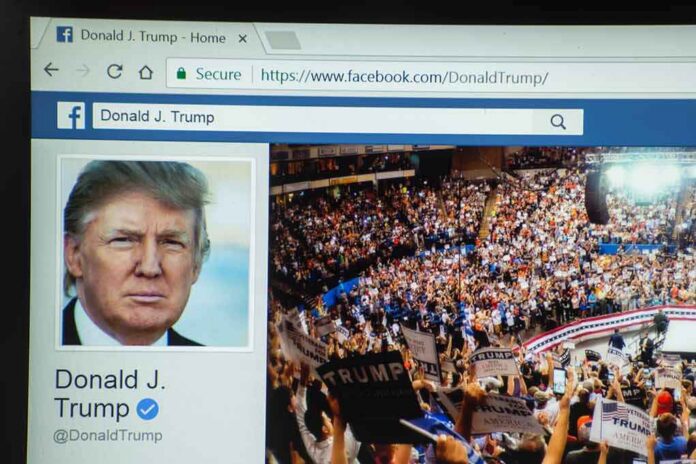
Trump’s first substantive public response landed on November 15. He framed the outage as the product of old systems and used it to call for swift money from Congress to modernize air traffic control. He praised frontline teams and said plans were ready to go, but he also punched at political rivals, arguing the last administration left a mess. The tone fit his style: assert control of the narrative, define a culprit, then demand action that signals common-sense upgrades.
The facts support the core of that case. Transportation Secretary Sean Duffy and other officials said radar and communications feeds were unstable and that they grounded flights out of caution to keep passengers safe. Administration statements attributed the failure to overloaded, decades-old equipment and said there was no evidence of a hostile breach. That diagnosis lines up with long-running watchdog reports that flag aging systems and slow modernization across the air traffic network.
Was the silence smart crisis management or a missed duty?
Public absence does not prove private disengagement. Duffy said Trump was fully engaged with the crisis while staying off social media about it until Sunday. A reported internal timeline said senior staff briefed Trump during an economic meeting, relayed his directions through the White House chief of staff, and that he later met with Duffy and Homeland Security Secretary Markwayne Mullin. Mullin said procedures worked, flights landed safely, and teams acted as trained under the president’s watch.
Two truths to hold: reassure fast, fix fast
Leadership in a systems failure has two lanes: visible assurance and operational control. The White House leaned on the second while letting the Cabinet own the microphones. That choice kept the response in the hands of specialists, which fits conservative instincts about competent delegation. But the pause left a vacuum that was filled by social-media noise and doubts. A brief, early presidential note could have cut that off without stepping on the technical team’s work.
Margaret Brennan: Friday's nationwide ground stop lasted just over four hours, but the effects are still being felt this morning with more than 1,900 flights already canceled and disruptions expected to continue. After nearly two days of silence on the crisis, President Trump is… pic.twitter.com/6dmiKxytuT
— corgo (@wordsdematthew) November 15, 2026
The funding pivot is where the politics meet the fix. If the equipment is as old and overtaxed as officials say, Congress should move. Voters do not want another weekend stuck on airport floors. They want a plan, a price, and a finish date. Trump’s call for modernization cash turns the outage into a governing test. The next measure of leadership is simple and measurable: how fast the administration and Congress replace fragile gear and harden the system before the next peak travel crush.
Sources:
mediaite.com, people.com, usatoday.com, cnbc.com, detroitnews.com, afp.com, whitehouse.gov, us.cnn.com, dhs.gov, cbsnews.com, edition.cnn.com
© conservativehub.com 2026. All rights reserved.