

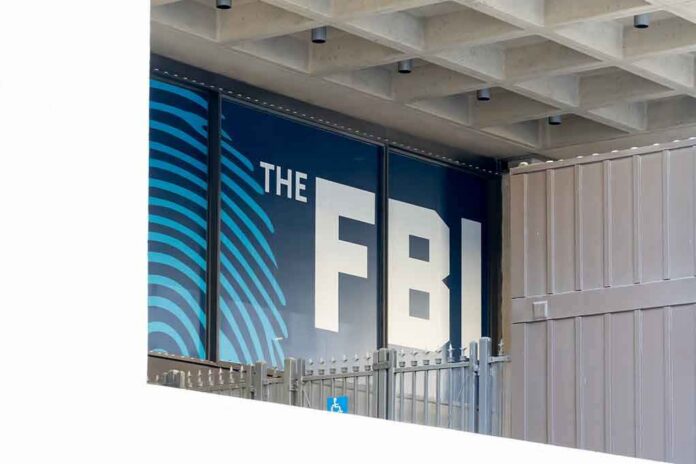
Mexico’s army captured Fausto Isidro Meza-Flores, known as “Chapo Isidro,” after a violent operation in Sinaloa.
Story Snapshot
- Mexican forces arrested Meza-Flores after gunfire and explosions in Guasave, Sinaloa.
- U.S. officials have charged him in federal court for trafficking and firearms crimes.
- The Federal Bureau of Investigation (FBI) placed him on its Ten Most Wanted list in 2025 with a $5 million reward.
- Authorities say he moved heroin, meth, cocaine, fentanyl, and marijuana into the U.S..
A top fugitive falls in a joint-pressure operation
Mexican soldiers and air units moved on a target in Guasave, Sinaloa, and took Meza-Flores into custody. Mexico’s Defense Secretariat described incoming gunfire and explosives, plus roadblocks set up by gunmen as the operation unfolded. Reports say U.S. intelligence support aided the mission, underscoring cross-border pressure on one of the FBI’s Ten Most Wanted fugitives. The arrest followed years of pursuit by both governments and came amid heavy security responses across the area.
U.S. authorities have long tied Meza-Flores to large-scale trafficking and gun offenses. The U.S. State Department cites a 2012 indictment in the U.S. District Court for the District of Columbia under federal narcotics and firearms laws. The FBI says a grand jury issued a superseding indictment in 2019 that updated the drug and gun charges. Prosecutors allege he funneled multi-ton shipments into U.S. markets and armed his network to protect routes and cash flows.
Why this arrest matters for U.S. communities
The FBI’s wanted notice says Meza-Flores moved heroin, methamphetamine, cocaine, fentanyl, and marijuana into the United States. These are the drugs that drive overdose spikes, street crime, and family breakdown. Removing a high-level broker can slow supply chains and disrupt financing. It also signals that binational work can reach deep into cartel safe havens. For Americans facing fentanyl deaths in their towns, taking down a top organizer aligns with basic law-and-order priorities.
The FBI elevated Meza-Flores to the Ten Most Wanted Fugitives list on February 4, 2025, and posted up to $5 million for tips leading to arrest and conviction. That status reflects how dangerous and influential the government believes he is. The reward helped draw eyes and ears across borders. It also raised the stakes for associates who might split, flip, or flee. That pressure can yield fresh intelligence on routes, stash sites, and money handlers tied to U.S. overdose corridors.
How Mexico’s “kingpin strategy” shapes the aftermath
Mexico has used a “kingpin strategy” for years: target senior bosses to claim ground and deter rivals. Academic studies find a pattern of splintering after big arrests, with more, smaller groups moving into the same turf and markets. One analysis shows leader removals often precede the start of at least one new criminal group in the same area. That churn can bring fresh fights for territory, even as authorities log a major win and seize assets that hurt cartel budgets.
That paradox frames what comes next in Sinaloa. Security forces will try to lock in gains and prevent successor violence. Prosecutors in both countries will work evidence chains toward trial or extradition. Each seizure and arrest should be paired with steps that break up finance nodes, local protection rackets, and corrupt officials who keep the trade alive. Conservative common sense says punish predators, protect families, and hold the line with steady, coordinated enforcement.
What to watch in the coming weeks
Mexico’s courts will process custody decisions and any transfer steps. U.S. officials will weigh extradition timing and charge strategy based on the 2012 and 2019 indictments. Security posture in Sinaloa will remain tight while authorities hunt for lieutenants and hit teams that staged roadblocks and attacks during the raid. Communities on both sides of the border will watch overdose data and seizure volumes for signs that this arrest is slowing the poison stream.
Mexico 🇲🇽 has captured Fausto Isidro Meza Flores, known as “El Chapo Isidro,” one of the @FBI’s Ten Most Wanted fugitives, with a $5 million reward offered for his capture.
A longtime leader of the Beltrán Leyva criminal network, he was wanted in the U.S. 🇺🇸 on drug trafficking… https://t.co/6Tok6yawgM
— Asociación Mexicana de Autoconsumo Responsable (@amar420org) November 21, 2026
The bottom line is simple. A most-wanted fugitive is off the street after a hard push by Mexico, backed by U.S. intelligence. The case now moves from rotors and rifles to records and courts. If leaders follow through—charge by charge, asset by asset—this win can compound. The goal is not headlines. The goal is fewer funerals, safer neighborhoods, and proof that violent traffickers cannot outgun the law.
Sources:
mediaite.com, cnn.com, hindustantimes.com, newsweek.com, state.gov, theweek.in, congress.gov
© conservativehub.com 2026. All rights reserved.