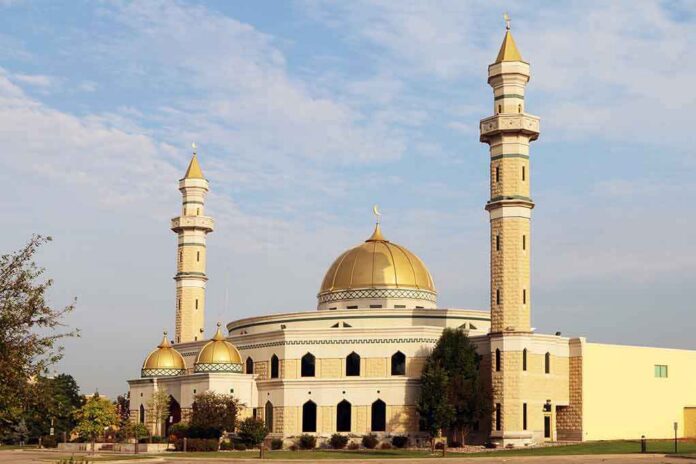
Warren’s fight over mosque traffic and noise is really a test of whether city rules still protect the working-class block.
At a Glance
- Neighbors describe blocked driveways, lawn parking, and Friday congestion tied to mosque attendance.
- City leaders and police say complaints lack details and past checks found legal parking and daytime noise.
- Warren’s ordinance bans “excessive noise” from 10 p.m. to 8 a.m., shaping how police act.
- Similar disputes elsewhere often surface as traffic, parking, and noise fights, not faith fights.
What Residents Say Is Changing On The Block
Residents interviewed describe a clear pattern. Friday afternoon prayers and Muslim holidays bring heavy traffic, cars tucked along curbs, and even on lawns. Some say driveways get blocked, tempers flare, and quality of life dips. The quotes are sharp, and the frustration is raw. People who worked decades for their homes fear they are losing control of their street. They argue officials shrug when crowds form, and that only strict, even-handed enforcement will calm things down.
These neighbors are not policy wonks. They judge by what they see on their sidewalk. They say the surge is frequent enough to feel like a new normal. It is not one parade or one church picnic. It is weekly and seasonal, with big peaks. Their demand is simple: write tickets for illegal parking, tow repeat offenders, and respond fast to calls. They want rules applied the same way, no fear, no favor. They see that as basic fairness, not culture war.
How City Hall And Police Explain The Record
Warren’s mayor says her office takes all concerns seriously but needs specific facts to act. The police chief’s team points to call logs and prior responses. They say the last call they handled in the area was months ago. When officers checked before, cars were legally parked. Officers also note most noise calls came in during the day. That matters because the city’s general noise bar targets the night window, not midday gatherings.
Warren’s written rules back that point. The city bans “excessive noise” between 10 p.m. and 8 a.m. in homes and streets. Daytime standards focus more on plainly loud amplified vehicle music at set distances, not routine crowd noise. That legal frame shapes what police can cite and when. If the ruckus hits at 2 p.m., the night rule does not apply. That gap leaves residents angry and officers saying their hands are tied unless a separate clear violation occurs.
Why These Fights So Often Become “Traffic, Parking, Noise”
Across many towns, mosque disputes land in planning and code language. People debate traffic counts, parking spillover, access, and noise. Those issues are concrete, measurable, and safer to argue in public meetings. Research shows this pattern repeats in case after case. Neighbors sometimes even set up chairs and cameras to track cars and headcounts. That watchdog habit shows how trust breaks down when growth feels sudden on a quiet street.
Warren has lived versions of this before. A past mosque planning dispute logged concerns about external speakers, parking, and traffic. A later zoning case denied tall minarets after neighbors raised safety and parking issues. Those records do not prove every current complaint. They do show a consistent axis of argument in Warren: manage the crowd, manage the curb, protect the block’s seams. That is the heart of land-use politics in any built-out city.
What Conservative Common Sense Suggests Now
City leaders should tighten the playbook, not shrug. Post clear event schedules. Paint no-parking zones near driveways and corners. Pre-stage tow trucks on peak days and tow on the first warning. Enforce crosswalks and hydrant clearance. Add crossing guards for short windows to keep kids safe. These are neutral, equal rules that back the working homeowner and preserve peace. They also protect worshipers who want order, not chaos, around their services.
Mosque leaders should meet neighbors on the block, not at a podium. Recruit volunteer parking stewards. Rent overflow lots and run a shuttle on big days. Share a hotline that reaches a human during services. Publish a code of conduct and back it with action. When worshipers break rules, fix it in real time. Trust grows when people see problems solved on the spot. That is not about blame; it is about stewardship of place we all share.
Sources:
facebook.com, foxnews.com, cityofwarren.org, cair.com, cbsnews.com, ispu.org, clickondetroit.com
© conservativehub.com 2026. All rights reserved.