
A Dearborn poll worker on hidden camera told a person claiming to be a noncitizen he could vote for U.S. Senate, just not for president.
Story Snapshot
- Undercover video shows a Dearborn poll worker giving voting guidance in Arabic.
- The worker allegedly said a noncitizen could vote in the U.S. Senate race.
- Federal law bans noncitizen voting in elections for Congress and president.
- Michigan states only U.S. citizens may register and cast ballots in state or federal races.
What The Undercover Video Shows
O’Keefe Media Group released video that appears to capture a poll worker in Dearborn speaking Arabic with an undercover operative on Election Day. The operative says he is not a U.S. citizen and asks what races he can vote in. The worker replies that the person cannot vote for president, but “the others you can,” according to published translations. When asked about voting for a named U.S. Senate candidate, the worker answers yes, according to outlet summaries of the clip.
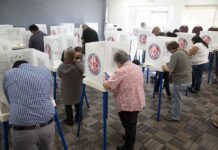
The footage centers on a direct exchange at a polling place, not a training room or a party office. Dearborn’s own guidance explains that election workers, also known as inspectors, are hired to assist at polling sites, check voters in, and help with ballots and procedures. These workers are the front line of election administration and shape what voters hear when they ask process questions on site.
What The Law And Michigan Rules Require
Federal law draws a bright line on this point. Title 18 of the United States Code, section 611, makes it unlawful for an alien, meaning a noncitizen, to vote in any election held in part to choose a Member of the Senate or the House of Representatives. The statute includes narrow exceptions, but none would permit a noncitizen to vote in a U.S. Senate race on a regular ballot. A violation can bring fines or up to a year in prison.
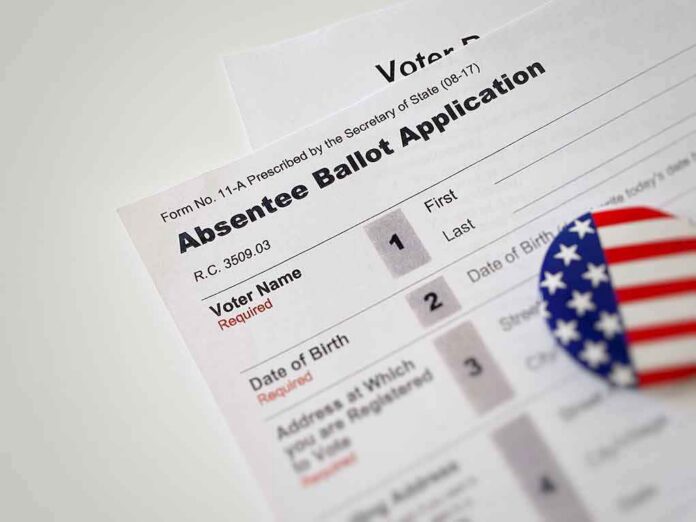
Michigan’s top election office states the same bottom line in plain terms. Only U.S. citizens can register to vote or cast a ballot in any state or federal election. Voters must affirm their citizenship under penalty of perjury when they register and when they vote. That process is designed to prevent the exact scenario the video depicts: a noncitizen being told to proceed in a federal race.
What The Video Does And Does Not Establish
The clip, as described by outlets, records a poll worker’s words about eligibility and a direct reference to a U.S. Senate choice. It does not show a ballot issued, a ballot cast, or a tabulated vote by a noncitizen. That difference matters for how authorities might respond. One misguided statement at a check-in table can be corrected with training and discipline. A ballot issued to an ineligible person triggers audits, referrals, and potential charges.
JUST IN: Dearborn, Michigan Poll Worker, Speaking in Arabic, Tells Undercover Reporter He Can Vote for U.S. Senate Despite Saying He’s Not a U.S. Citizen — Just Not President
“Only for U.S. President you can’t vote, but the others you can” is: “بس لرئيس أميركا ما فيك تصوّت، بس… pic.twitter.com/RCPmSuq6gh
— James O'Keefe (@JamesOKeefeIII) November 4, 2026
Reports do not identify the worker by name, precinct, or shift, so outside parties cannot match the person to a roster or supervisor yet. The exchange also involves an Arabic-to-English translation in summaries rather than an authenticated transcript. Those details do not change the core on-camera claim. They do shape what steps investigators, election officials, or the city must take to confirm the facts, fix any training gap, and, if needed, hold someone accountable.
Why This Moment Hits A Nerve
Dearborn election activity already sat under a spotlight this cycle. State officials had flagged separate issues with federal monitors’ interactions with poll workers in the city, calling some of those contacts outside standard roles. Local news also reported temporary ballot shortages in some precincts. None of that excuses wrong advice at a check-in table. It does explain why one clip can draw outsize attention and anxiety in a tight, high-stakes election environment.
Two truths can sit side by side. First, noncitizen voting in federal races is illegal and must be stopped when found. Second, most research and state reporting describe noncitizen voting as rare, measured against the tens of millions of ballots cast. Both can be true at once. That is why the right response blends zero tolerance for bad guidance with calm, documented follow-through that shows the system caught and corrected errors before they became counted votes.
What Accountability Should Look Like Now
Officials should identify the worker, pull the precinct’s incident logs, and review the training given before Election Day. Managers should confirm whether any ballot was issued in connection with the exchange and preserve all records. If the worker made a mistake, discipline and retraining should follow. If the advice reflected a broader misunderstanding, then update training statewide. That approach upholds equal treatment, election integrity, and the rule of law that protects every lawful vote.
Sources:
thegatewaypundit.com, uscode.house.gov, dearborn.gov, newsfromthestates.com, detroitnews.com, bnd.com, huffpost.com, dispatch.com
© conservativehub.com 2026. All rights reserved.