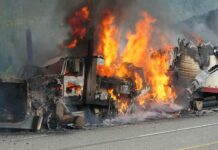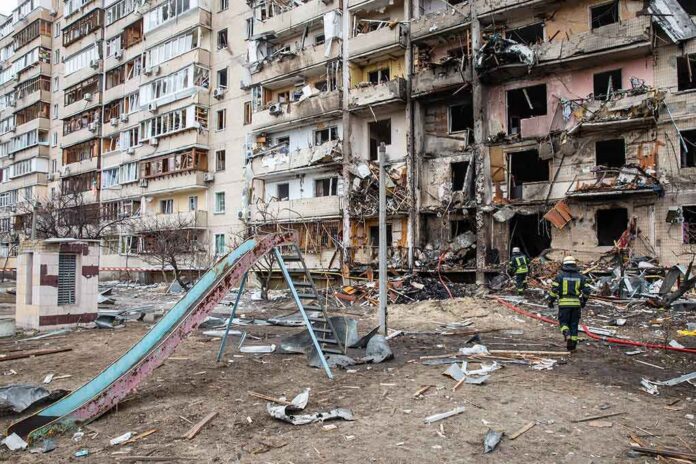
Four American tourists were among six people killed when a suspected gas explosion leveled a building steps from the Acropolis in Athens.
Story Snapshot
- Six people died after a building exploded and collapsed in Athens’ Plaka district.
- Greek officials said evidence points to a gas-related blast; a full probe is underway.
- Four Americans were confirmed among the dead, according to United States officials.
- The disaster raises fresh questions about safety in dense historic tourist areas.
Confirmed Toll and What Authorities Reported
Greek fire officials said rescuers recovered six bodies from the rubble of a two-story building in Plaka, a historic area near the Acropolis. The blast struck on Friday and triggered a collapse that damaged nearby homes and shops. The Athens mayor said early signs linked the explosion to gas infrastructure. Rescue teams with dogs and cameras worked through debris to locate the missing and secure the site. Officials said the search and recovery phase ended on Saturday after all victims were found.
United States officials confirmed that four of the six victims were American tourists. A United States State Department spokesperson said the deaths were the result of a gas explosion. Local authorities reported that other people nearby were treated for injuries from debris and shock. The area is one of the most visited parts of Athens, with narrow streets, old buildings, and many short-term rentals, which made the search complex and tense for families and first responders.
Cause Under Investigation, Early Signs Point to Gas
Greek media and city leaders pointed to a likely gas leak or gas system fault as the cause. The Associated Press reported that the cause was not immediately confirmed, which is common in the early hours of such events. Fire investigators and utility experts must examine lines, appliances, and structural points to make a final call. Officials stressed that the investigation would look at gas networks and any recent work or changes in the building before the blast.
Reuters reported that the mayor tied the blast to gas infrastructure while rescue crews described a powerful explosion that brought down the structure and scattered debris across the neighborhood. That framing matches early disaster practice: share the best current evidence while cautioning that full answers take time. Investigators will test for leaks, ignition sources, and signs of prior damage. If gas is confirmed, they will also review maintenance records and utility procedures for the area.
Why Historic Districts Face Higher Risk
Dense, older city districts can carry hidden risks. Mixed-use spaces stack homes over shops. Narrow lanes slow heavy equipment and ambulances. Old construction can mask aging pipes and wires behind thick walls. Short-term renovations can add stress points that are hard to track. These factors can turn a leak into a deadly blast, and a blast into a fast collapse. That is why engineers and city planners often call for stricter checks in heritage zones with heavy foot traffic and tourism.
Plaka draws large crowds year-round, which adds pressure on utilities and building systems. Weekend arrivals, cleaning cycles, and turnarounds for rentals can mean frequent appliance use and more chances for small faults to grow. Rescue leaders in Athens brought in dogs, cameras, and sensors to speed the search. That approach helped find all six victims within a day, limiting the time families waited for word and allowing investigators to secure the site for forensic work.
Safety Gaps That Worry Travelers and Locals
Tourists expect clear safety rules and fast alerts in crowded sites. Locals want stronger oversight of utilities in old neighborhoods. This tragedy spotlights a shared concern: basic infrastructure must keep pace with how people live and travel today. Clear gas shutoff valves, reliable leak detectors, and routine inspections save lives. Public warnings about smells of gas or recent line work should trigger fast checks, door-to-door alerts, and, if needed, short evacuations until crews sign off on safety.
@lookner 6 dead in explosion in Plaka district of Athens near the Acropolis. https://t.co/0d9oPkz8n3
— NYCAnglophile (@CarrollKruger) September 27, 2026
Families in the United States and Greece now face a loss that no policy can fix. Still, practical steps can lower risks. City leaders can map high-risk blocks, require modern detectors in rentals, and audit gas routes serving heritage buildings. Utility firms can expand smart sensors and speed response times. Travelers can look for detectors in rentals and ask hosts about gas systems. These are simple, nonpartisan moves that protect everyone and honor those lost in Athens.
Sources:
thegatewaypundit.com, reuters.com, nytimes.com, www-cdn.abcnews.com, cbsnews.com, abc7.com
© conservativehub.com 2026. All rights reserved.