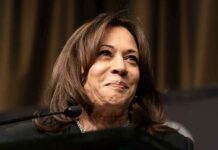

Virginia Governor Abigail Spanberger holds the dubious distinction of posting the lowest approval rating for any newly elected governor in the Commonwealth since 1994, a stunning collapse just two months after her landslide victory.
Story Snapshot
- Spanberger’s approval rating sits at 47% with 46% disapproval, the worst early-term numbers for a Virginia governor in over three decades
- Political experts express disbelief at the rapid erosion from 60% optimism in January to bare plurality approval by April
- Only 31% of voters believe her policies will improve affordability despite campaign promises focused on economic relief
- Academic analysts cite disconnect between moderate campaign image and leftward governing decisions, particularly on redistricting
The Honeymoon That Never Happened
Newly elected governors typically enjoy a grace period where voters reserve judgment and extend goodwill. Spanberger shattered that tradition. The Washington Post–Schar School poll delivered a reality check that left political observers scrambling for explanations. Her 47% approval rating represents not just a disappointing start but a historical anomaly. George Mason University’s Dr. Mark Rozell, who co-sponsored the poll, called the findings unusual for someone who campaigned so heavily on a centrist image. The numbers carry extra weight because they mark the steepest early decline for any Virginia governor measured at this juncture since George Allen took office in 1993.
When Campaign Promises Meet Governing Reality
The gap between Spanberger’s campaign persona and her governing actions has created a credibility chasm. She won election by emphasizing affordability, bipartisan cooperation, and moderate problem-solving. Voters bought the message enough to deliver her a landslide victory despite tepid personal favorability ratings hovering around 50%. Now those same voters face buyer’s remorse. The poll reveals that 41% believe her policies will make things less affordable, compared to just 31% who think her approach will ease financial burdens. Fairfax resident David Mount captured the sentiment plainly: she campaigned as a moderate but has governed further left than people expected.
The Redistricting Trap
Spanberger’s decision to wade into gerrymandering and redistricting debates provided Republicans with ammunition and moderates with doubt. Dr. Jeremy Mayer from George Mason University identified this issue as particularly damaging. She ran on bipartisanship but embraced a partisan redistricting process that could shift congressional representation. Critics have weaponized her own 2019 statements against gerrymandering in attack mailers, highlighting the inconsistency. The redistricting controversy reinforces voter suspicions that campaign moderation was packaging rather than principle. For a governor who needed to maintain crossover appeal, diving into this divisive issue proved politically reckless.
Expert Disbelief and Voter Disillusionment
Political scientists expressed genuine surprise at the velocity of Spanberger’s decline. Dr. Bo Kabala noted the numbers suggest disillusionment among voters who initially gave her a chance, particularly regarding whether she would govern as promised. The January Christopher Newport University poll showed 60% optimism about her governorship. Three months later, that optimism evaporated into America’s most anemic gubernatorial approval rating. The collapse defies normal political gravity. Even accounting for partisan polarization, these numbers indicate something more than typical opposition party resistance. They reflect broken trust among persuadable voters who expected one thing and received another.
The Affordability Credibility Gap
Spanberger built her campaign around making Virginia more affordable for working families. Voters now question whether she can deliver. Poll respondents cited affordability, healthcare, housing, and immigration as top concerns. Her handling of these issues has failed to inspire confidence. The strongly disapprove category outpaces strongly approve by nine points, 38% to 29%. These intensity metrics matter because they indicate depth of feeling beyond casual opinion. When more voters feel strongly negative than strongly positive about a new governor, the political foundation becomes unstable. Spanberger faces the challenge of rebuilding credibility on her signature issue while legislative sessions and news cycles compound early missteps.
Republican Messaging Success
Conservative media and Republican operatives successfully reframed Spanberger’s image from moderate consensus-builder to leftist partisan. The messaging campaign exploited the gap between her campaign promises and governing decisions. Social media amplified these attacks, reaching voters who might otherwise have given her more latitude. The strategy worked because it contained enough truth to resonate. When voters observe actions contradicting campaign rhetoric, opposition messaging gains credibility. Spanberger handed Republicans the narrative by overreaching on partisan priorities while neglecting the kitchen-table economics that defined her campaign. Smart politics requires either governing as promised or managing expectations better than she has managed hers.
Historical Context and Future Implications
Virginia governors serve single four-year terms, making early momentum crucial for legislative success and legacy building. Spanberger squandered hers. Her 46% disapproval rating exceeds any Virginia governor’s at this stage since comprehensive polling began tracking these metrics consistently. The historical comparison underscores how unusual this situation is. Governors typically enter office with political capital from their electoral mandate. Spanberger won convincingly but governed as if she had received a progressive mandate her moderate campaign never sought. The disconnect will haunt her legislative agenda and limit her ability to pass meaningful reforms. Some voters like Fairfax resident Rod Myers still want to give her a chance, but patience has limits and political calendars move quickly.
Sources:
Poll shows Spanberger’s approval rating starts out lower than the last eight governors. Here’s why
Spanberger faces mixed reviews latest Virginia poll
New poll reveals Spanberger’s popularity amid backlash gerrymandering