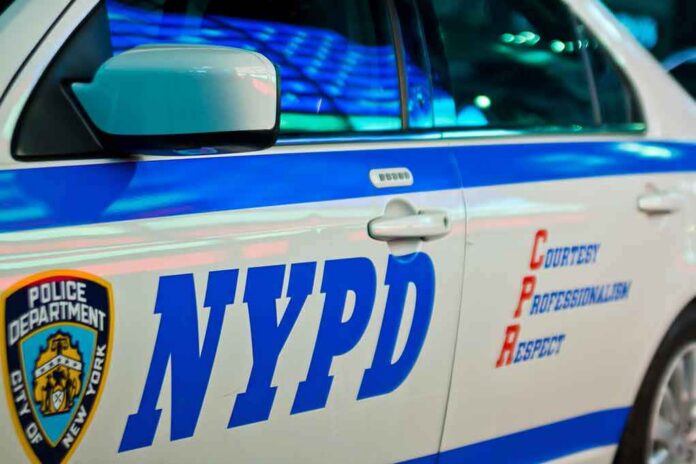
New York City’s latest security drama started with a “strong recommendation” that never actually existed.
Story Snapshot
- Mayor Zohran Mamdani’s wife, Rama Duwaji, planned a private trip to Syria and Lebanon, both listed as “Do Not Travel” by the United States State Department.
- City Hall said the New York Police Department strongly urged sending her taxpayer-funded police security detail with her.
- The New York Police Department publicly denied it would send officers, flatly contradicting City Hall’s story.
- The mayor then blamed staff miscommunication, raising sharper questions about judgment, honesty, and elite privilege.
How A Private Family Trip Became A Public Security Fight
New York City First Lady Rama Duwaji plans to fly to Syria and Lebanon around September 20 to visit family, on what the mayor’s office calls a personal trip and not city business. Both countries sit under the United States State Department’s highest travel warning, a Level Four “Do Not Travel” advisory, due to war, terrorism, kidnapping, and hostile militias. That alone would grab attention. But what turned a family visit into a storm was the question of who would pay to keep her safe.
Reports first said Duwaji expected to bring along members of the New York Police Department security detail assigned to Mayor Mamdani and his family, at taxpayer expense. A mayoral spokesperson, Dora Pekec, went further and told media that “upon the strong recommendation of the New York Police Department, the First Lady’s security detail will be joining her when she travels to visit family in Syria and Lebanon.” That statement framed the trip as a safety necessity backed by law enforcement, not a perk chosen by City Hall.
City Hall’s Story Collides With The Police Department’s Reality
The narrative came apart when the New York Police Department broke its usual silence and publicly contradicted City Hall. Police officials told reporters the department “does not send officers to accompany private travel” and said they would not provide any security detail for Duwaji’s Syria and Lebanon trip. Their denial did more than cancel an overseas escort. It undercut City Hall’s claim that police had strongly recommended the plan and raised doubts about how the story was built in the first place.
After the police pushback, City Hall suddenly changed its tune. The mayor’s office now says Duwaji will travel without New York Police Department officers and claims the earlier statement about a police recommendation was simply a “misunderstanding” or staff miscommunication. That explanation asks New Yorkers to believe that someone on the mayor’s team managed to invent a “strong recommendation” from the city’s largest law enforcement agency without any actual approval. For taxpayers who pay both the mayor’s salary and the police budget, that gap between words and reality looks less like confusion and more like spin.
Taxpayer-Funded Security And The Question Of Privilege
The uproar taps into a familiar pattern in modern politics. When leaders or their families seek taxpayer-funded protection for personal travel, the public rarely sees the internal memos and risk assessments. Voters see only a simple headline: “security detail goes on vacation.” In this case, Duwaji’s destinations are war-torn, high-risk countries, so talk of security is understandable. But the fight is not about whether danger exists. It is about who pays and who decides that a private trip deserves public resources.
#NewsAlert: NYPD DENIES Request For Overseas Security Detail of Mayor Mamdani's Wife
The New York Police Department (NYPD) has OFFICIALLY DENIED a security detail for Rama Duwaji, the wife of Socialist mayor Zohran Mamdani, for her upcoming PRIVATE TRIP to the MIDDLE EAST. The… pic.twitter.com/DhfwZgBp3n
— A New Wave Right (@ANewWaveRight) August 12, 2026
From a conservative, common-sense view, basic rules should be clear. Taxpayer-funded protection should follow official duty, not private choice. If a trip is truly personal, the bill should fall on the traveler or the family, not the people of New York. City Hall’s first story tried to put the weight on police “recommendation,” which sounds neutral and professional. Once police denied that, the episode looked more like an attempt to wrap a personal decision in the cloak of public safety to justify special treatment.
Why The Miscommunication Claim Does Not Close The Case
Blaming staff miscommunication might work for a canceled meeting. It does not fully explain a high-profile false statement about police advice and foreign security. Someone in City Hall linked the mayor’s wife, the New York Police Department, and travel to two of the world’s most dangerous regions, then gave media a confident quote about a “strong recommendation.” That is not a typo. That is a claim about what a major law enforcement agency supposedly decided.
When the New York Police Department rejected the story, Mayor Mamdani faced a choice. He could admit the office overstated or misled, or he could shift fault to unnamed staff. He chose the second path. That choice matters. Leaders set the tone. When they dodge responsibility, they teach staff that accuracy takes a back seat to narrative. American conservative values stress personal accountability, clear limits on government perks, and respect for the truth as the base of public trust. On those measures, the handling of this episode falls short.
What This Says About Security, Judgment, And Trust
This controversy reaches beyond one foreign trip. It shows how quickly political offices can lean on police and security language to justify decisions that blur the line between public duty and private life. Syria and Lebanon are dangerous places, and anyone traveling there deserves careful thought about safety. But when City Hall speaks for the police, and the police later say “that is not what we decided,” every citizen should pause.
Security policy only works when facts come first. If a mayor’s family member needs special protection, officials should say so plainly, explain the risk, and show who approved the plan. If not, they should not hide behind imagined “strong recommendations” from the New York Police Department. The swift correction from police, and the mayor’s rush to blame staff, suggest that watchdogs and voters need to keep a closer eye on how taxpayer-funded security is justified, especially when elite comfort stands to gain.
Sources:
townhall.com, bigny.com, jpost.com, instagram.com, facebook.com, yahoo.com, nypost.com
© conservativehub.com 2026. All rights reserved.