
Caracas got safer fast—and the trail of how it happened runs through police raids, emptied streets, and a chilling debate over what “peace” costs.
Story Snapshot
- Reports say homicides and street crime in Caracas plunged in recent years.
- Local police leadership touts fewer killings nationwide and credits security crackdowns.
- Human-rights reports allege many police killings were extrajudicial, especially in poor areas.
- Migration and fewer criminal opportunities likely helped drive the decline too.
Crime fell hard, and daily life changed with it
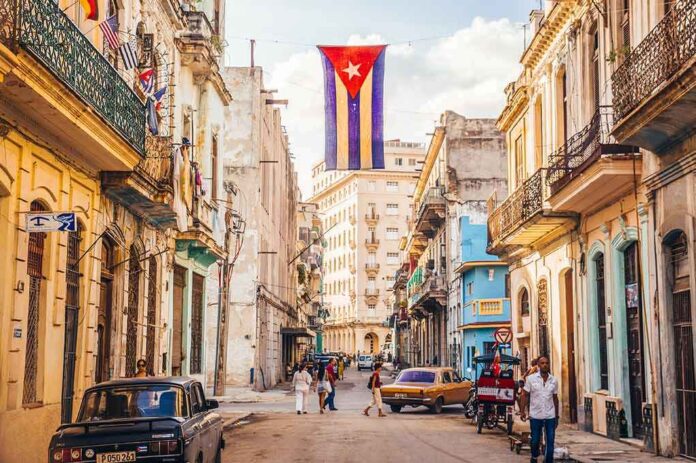
Caracas shed its old label as a murder capital, according to multiple on-the-ground accounts. A major United States newspaper reported sharp drops in homicides, street robberies, and kidnappings, calling it a remarkable shift in the city’s daily life. A Caracas street vendor described the new reality in simple terms: the streets feel calmer and safer than before. That claim tracks with broader coverage in Spanish that also points to fewer robberies and kidnappings around the capital. None of this erases past chaos. It marks a concrete turn that residents can feel block by block.
Official voices also pressed the case. The head of Venezuela’s criminal investigations police announced a year-to-year drop in killings, citing 643 recorded nationwide so far in 2026 compared with 747 over the same period in 2025, a reduction of 104 cases. He pointed to a very low homicide rate and to the disruption of criminal groups. An independent observatory added other drivers: mass migration, fewer chances for street crime, and more police presence. The shape of the decline looks broad, not narrow, which argues for more than one cause.
The hard question: what delivered that drop
Police operations loom large in every account. Local reports describe raids where alleged criminals died in shootouts with investigative units. A television report from Falcón state detailed a clash that left six suspects dead and a police commander wounded, with searches continuing afterward. Coverage tied similar actions to the fall in Caracas crime as well. Cause and timing line up neatly. That is the simple story: more police pressure, fewer predators, safer streets. But simple stories often hide unseen costs.
Human-rights bodies documented a darker pattern that runs alongside the crime drop. The Office of the United Nations High Commissioner for Human Rights reported reasonable grounds to believe many police killings were extrajudicial, especially in poor neighborhoods and during raids linked to a special police unit. Reuters cited internal figures showing thousands killed by police after so-called resistance to authority and described family claims of staged scenes and summary executions. Amnesty International urged action after at least 14 deaths in a 2021 Caracas operation it called probable extrajudicial executions. These are detailed, named sources—not rumors—and they force a sober look at means, not only ends.
Data fog, political spin, and what common sense says to test next
Government data gaps make sweeping claims hard to verify. Authorities reported a very low homicide rate but did not release full methods or city-level breakdowns. That creates a measurement problem: residents feel safer, yet outside checks are thin. Conservative common sense starts here—count everything that matters, and separate what happened from what is claimed. Caracas needs a clean, monthly record for homicides, robberies, kidnappings, police killings, and disappearances. Hospital trauma records and morgue counts should match police logs. If they diverge, find out why before declaring victory.
Attribution is the next test. If raids drove crime down, neighborhoods hit by operations should show bigger, sharper, longer declines than similar areas without them. Track pre- and post-operation trends for violence, emergency calls, and victim surveys. If migration shrank the pool of offenders, areas that lost more young men should also show larger drops. These are not academic games. They separate real wins from statistical mirages and tell citizens which tools actually work without breaking the law.
The line between order and abuse cannot be blurry
Policing that saves lives is good. Policing that kills outside the law is not policing—it is state violence. The reports from the United Nations, Amnesty International, and Reuters allege a pattern that targets young men in poor neighborhoods, sometimes after officers enter homes, separate victims, and stage scenes. If even a fraction is true, the state must halt it, investigate command chains, and publish results. Safe streets gained by illegal killings are not stability. They are a pause held by fear, and fear never holds forever.
What to watch now
Residents feel safer, and that matters. The best way to protect that gain is daylight. Publish city-level crime data. Disclose how many deaths happened at the hands of police and under what rules. Give victims and officers due process. Double down on what works within the law—focused patrols, gun arrests tied to evidence, and investigations that hold in court. If the model is lawful pressure plus fewer criminal chances, Caracas can keep its peace. If the model is denial and coverups, the peace will not last.
Sources:
townhall.com, nytimes.com, demokratis.co.id, caraotadigital.net, rbc.ru
© conservativehub.com 2026. All rights reserved.