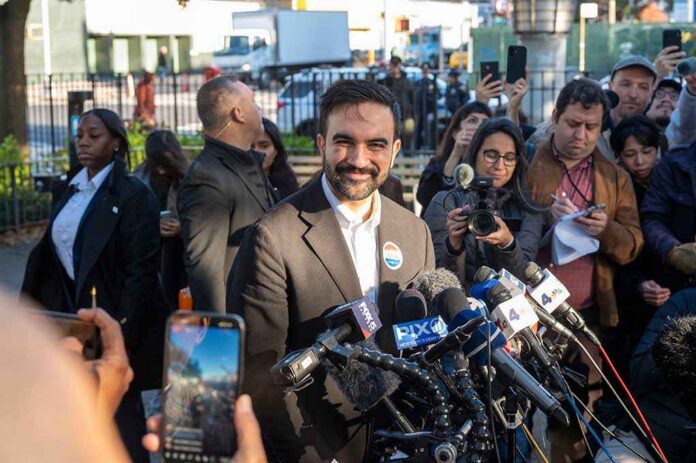
New York City will pay about $8.9 million to two nonprofits to provide gender-affirming care to minors, including puberty blockers and hormone therapy, under contracts slated to start in 2027.
Story Snapshot
- The city identified two vendors: Callen-Lorde and the Nonprofit Organization for Philanthropic Initiatives.
- The plan funds care for patients under 18, including puberty blockers and hormones when medically necessary.
- The contracts run from Feb. 1, 2027, to June 30, 2029, with a three-year renewal option.
- Parental-consent rules and New York State licensure apply to all services.
What The City Approved, In Plain Terms
The city’s procurement notice says the Department of Health and Mental Hygiene will contract with organizations that provide or help provide gender-affirming care to minors. The scope includes prescribing and administering puberty blockers and hormone replacement therapy when care is medically necessary under prevailing standards. The estimated value is $8.9 million. The vendors named are Callen-Lorde Community Health Center and the Nonprofit Organization for Philanthropic Initiatives. Services must follow state consent laws and be delivered by licensed providers.
The city outlined a timeline. The contracts would begin February 1, 2027, and run through June 30, 2029. Officials included an option to renew for three more years. This approach sets a multi-year financing path rather than a one-off grant. That matters for families who have seen clinics open and close. It also matters for vendors who need staff, training, and compliance systems to meet demand without long gaps in care.
Why This Fits The Administration’s Stated Policy
The mayor’s office previously announced a $15 million plan to support access to gender-affirming care for youth and adults. The plan included creating a direct care access fund. The current $8.9 million procurement is part of that promise. It channels funds to community providers after several large hospitals stepped back from youth programs. This design aims to keep access available while staying within state laws on parental consent and professional licensure.
The notice stresses licensed clinicians and existing consent rules. That aligns with common-sense guardrails many parents expect. It also reflects a core conservative value: if government funds something, it must be lawful, accountable, and carried out by professionals. The city is not creating a new legal standard here. It is purchasing care within the rules New York State already set for minors and parents.
Who Benefits And What Changes On The Ground
Families facing long waits or closed hospital programs may get faster access through community clinics. Vendors can hire staff and offer continuity, because multi-year contracts reduce the fear that funding vanishes overnight. Clinicians can plan for training, case reviews, and mental health referrals tied to hormone care. The notice centers medically necessary services and standards of care, which signals a gatekeeping role for clinical judgment on a case-by-case basis, not a blanket green light.
OK NYC, what's your next move?…….Ron
"he administration of Zohran Mamdani in New York City has just signed contracts worth upwards of $9 million with vendors who will provide ‘gender-affirming care’ to minors, including puberty-blocking drugs."https://t.co/yOIujB22GV
— Earl Ron Deanne I go by Ron (@rondeanne2) October 7, 2026
Policy timing also matters. National fights over youth care have pushed decisions into procurement and licensing. New York City answered with a contract model that defines who pays, who treats, and under which rules. That framing turns a culture debate into a service network. It rewards compliant providers with predictable funding, gives families a care pathway, and puts the city’s reputation on the line to keep access steady despite outside pressure.
The Numbers, The Vendors, The Guardrails
The dollar figure sits just under $9 million and is split between two vendors named in the notice. Callen-Lorde is a well-known community health center. The Nonprofit Organization for Philanthropic Initiatives is listed as the other contractor. Each will operate under the Department of Health and Mental Hygiene’s oversight, with licensure requirements for every provider and adherence to parental-consent laws for minors. The city put renewal options in place to extend the program if performance meets expectations.
The administration’s earlier pledge to “stand up for trans New Yorkers” sets the political frame, but the legal frame is tighter: licensed care, parental consent, and clinical necessity. That is not loose or vague. It is the minimum standard any public program must meet to keep trust and avoid legal trouble. The city’s documents and timelines show a plan meant to be durable and auditable over several years, not a symbolic press release.
What To Watch Next
Contract execution and implementation details will answer practical questions: appointment capacity, wait times, referral protocols, and how clinicians handle complex cases. Performance data should show how many minors receive evaluations versus medications, how consent is documented, and how often clinicians defer or deny treatment. If the city reports clear metrics and enforces the rules it set, taxpayers get transparency and families get predictable care pathways.
The core facts are straightforward: named vendors, defined services, stated guardrails, and a multi-year funding runway. The bigger stakes are about governance. Cities must turn heated arguments into systems that work. This procurement does that by tying policy to licensure, consent, and standards of care. That is how you test ideas in the real world: write the contract, name the providers, fund the work, and report the results.
Sources:
© conservativehub.com 2026. All rights reserved.