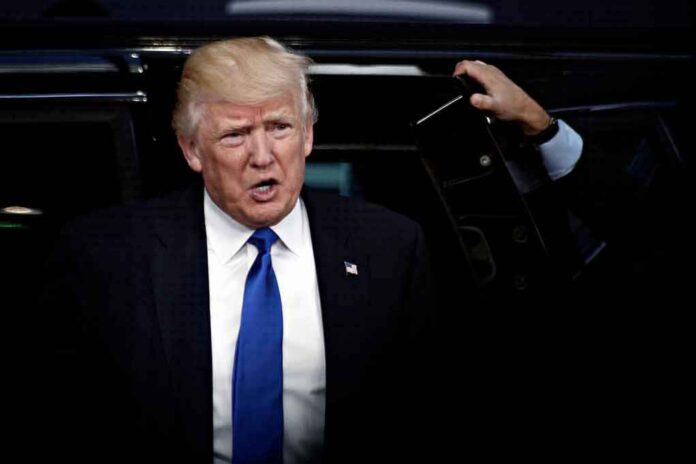
President Trump nominated Kimberly Greenwood to be U.S. ambassador to Barbados and six Eastern Caribbean nations, putting a familiar political pattern back in the spotlight.
Story Snapshot
- The White House sent Kimberly Greenwood’s nomination to the Senate for confirmation.
- The post covers Barbados plus six island nations under one ambassadorial portfolio.
- The Constitution gives the president appointment power, checked by Senate consent.
- Noncareer nominees are common; the Senate review is the filter for readiness.
Trump’s Nomination And The Scope Of The Post
The White House listed Kimberly Greenwood for ambassador to Barbados and, at the same time, to Saint Kitts and Nevis, Saint Lucia, Antigua and Barbuda, Dominica, Grenada, and Saint Vincent and the Grenadines. The notice states she would serve all seven postings without extra pay, which is standard for this portfolio. Presidents often bundle several small countries under one chief of mission to streamline costs and coordination. The single ambassador still carries full authority for each nation’s ties to the United States.
The Senate now holds the next move. The Constitution says the president nominates, but the Senate must give advice and consent before anyone becomes ambassador. The Department of State explains that every ambassadorial nominee goes through the same Senate process. That includes committee review, background checks, and a floor vote when leadership schedules it. The system is simple on paper and often slow in practice, yet it is the guardrail that balances speed with scrutiny.
How The Senate Process Works In Practice
The Senate receives the nomination in writing and refers it to the Foreign Relations Committee. Staff, the Federal Bureau of Investigation (FBI), and other agencies vet the nominee’s background. The committee can hold a hearing, ask written questions, and then vote to report the nomination. Only after that can the full Senate take it up for a confirmation vote. This rhythm exists to test readiness for a sensitive job that blends policy, protocol, crisis handling, and real-time judgment.
The Senate’s role is not a rubber stamp. The Appointments Clause is clear, and it expects active consent, not passive drift. When nominees arrive with visible political ties, senators often push harder on qualifications, conflicts, and preparedness. That friction is healthy. It protects U.S. interests abroad and respects taxpayers at home. If Greenwood clears the process, she answers for results on day one. If not, the administration returns with a new choice.
Why This Kind Of Nomination Is Common
Presidents from both parties have long named noncareer figures as ambassadors, especially to allied or smaller posts. That practice is lawful and frequent, and the Senate is the check that sorts patronage from proven skill. The balance reflects American conservative values: give the elected executive room to choose the team, but demand accountability through a public, recorded vote. The tool is old, but it works when senators do their job without delay or theater.
Kimberly Greenwood, who worked for 18 years within the Miss Universe organization that was once owned by President Trump, has been nominated by the White House to be the ambassador to Barbados and several other nations in the Caribbean. https://t.co/TzC3kGgqeL
— The Washington Post (@washingtonpost) September 15, 2026
The Eastern Caribbean portfolio looks ceremonial from afar, but the work is real. The ambassador coordinates disaster aid after hurricanes, pushes counternarcotics partnerships, opens doors for American trade, and watches China’s and Russia’s outreach in the region. Energy deals, port security, and tourism ties all pass through this office. One bad call can ripple across seven flags. One smart project can lock in goodwill for a generation. The stakes are quiet, not small.
What To Watch Next
Watch the Senate calendar and the Foreign Relations Committee docket. A quick hearing signals smoother waters. A long stall suggests bargaining over unrelated issues, which often snare nominees. Also watch whether senators press for specific deliverables on growth, security, and migration in the Caribbean. That line of questioning would set clear goals and timelines. Clear goals make it easy to judge performance later, which is the fairest test for any noncareer ambassador.
Sources:
cbsnews.com, apnews.com, wtop.com, bastillepost.com
© conservativehub.com 2026. All rights reserved.