

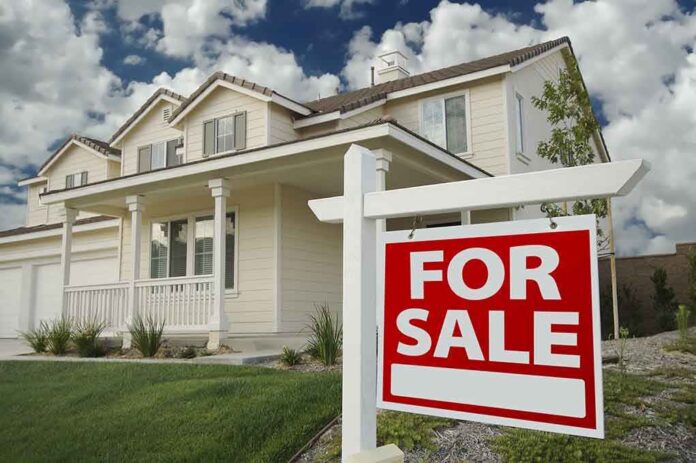
A shocking trend reveals that millions of older Americans are abandoning the cornerstone of traditional wealth-building—homeownership—as rising property taxes and insurance costs force seniors into rentals, fundamentally reshaping what it means to achieve the American dream.
Story Highlights
- Senior renters aged 65+ surged by 2.4 million (30% increase) over the past decade, making them the fastest-growing rental demographic
- Homeowner insurance premiums skyrocketed 24% nationwide from 2021-2024, crushing seniors on fixed incomes
- Rental inquiries from Americans 55+ jumped 70% between 2020-2025 as economic pressures mount
- Traditional American dream of homeownership crumbles under government-fueled inflation and skyrocketing property taxes
Economic Pressures Drive Seniors From Homeownership
Rising property taxes and insurance costs are devastating older Americans on fixed incomes, forcing them to abandon homeownership in unprecedented numbers. Property insurance premiums alone increased 24% nationwide from 2021 to 2024, creating unsustainable financial burdens for retirees. These crushing costs, combined with escalating maintenance expenses and property taxes, represent a direct assault on seniors’ financial security and retirement plans.
Experts confirm that seniors on fixed incomes face unique vulnerabilities in today’s inflated housing market. Realtor.com analyst Jiayi Xu notes that older Americans are especially sensitive to housing cost increases, making renting a more manageable option in the current high-price environment. This economic reality forces many to liquidate their most valuable asset—their home—to maintain financial stability.
Rental Market Responds to Growing Senior Demand
Property developers recognize the massive shift in senior housing preferences and are rapidly adapting their offerings. Rental inquiries from Americans 55 and older surged 70% between 2020 and 2025 in some portfolios, creating new market opportunities. Developers now prioritize age-friendly amenities and flexible lease terms to capture this expanding demographic, fundamentally altering rental market dynamics.
The rental industry’s response highlights how economic pressures created by years of fiscal mismanagement have forced entire market segments to pivot. Property Markets Group executive Brian Koles observes that older renters value financial flexibility over tying up assets in illiquid real estate, a rational response to economic uncertainty and inflated housing costs.
Traditional American Dream Under Assault
This dramatic shift represents more than a housing trend—it signals the erosion of a fundamental American principle. Homeownership historically provided wealth-building opportunities, stability, and community investment for families. The Great Recession of 2007-2009 already damaged many older homeowners through foreclosures, and current inflationary pressures complete the destruction of this pathway to prosperity.
RentCafe projects that seniors will become the second-largest group of renter households by 2035, cementing this troubling transformation. This shift undermines traditional wealth transfer to younger generations and weakens community stability as longtime homeowners abandon their neighborhoods. The trend reflects broader failures in fiscal policy that have made homeownership increasingly unattainable for Americans across all age groups.
Sources:
U.S. Seniors Rent Like Never Before: 65+ Age Group Up 2.4 Million Renters in a Decade
Senior Renters Drive Housing Shift in the US
Older Americans Flock to Rentals and Here’s Why
Owning Home Still American Dream Why Older Americans Choosing Rent