Police declared a major incident, evacuated a village, and called in Army bomb experts after arrests under the Explosives Act near a U.S.-used air base.
Story Snapshot
- Gloucestershire Police declared a major incident after several arrests under the Explosives Act.
- Army explosive ordnance teams examined multiple vehicles at the scene.
- Residents in Whelford were evacuated to a leisure centre as a safety cordon went up.
- The site sits near Royal Air Force Fairford, used by the United States Air Force.
Major incident, swift arrests, and a village on the move
Gloucestershire Police said they detained several men on suspicion of offences under the Explosives Act and declared a major incident around Whelford on 27 September 2026. Officers put a cordon in place and cleared nearby properties while partner agencies activated emergency plans. The police message was firm: they believed the situation was contained and under control. Officials did not list names, counts, or possible motives. That restraint is common in early-stage security operations but does not lessen the stakes at hand.
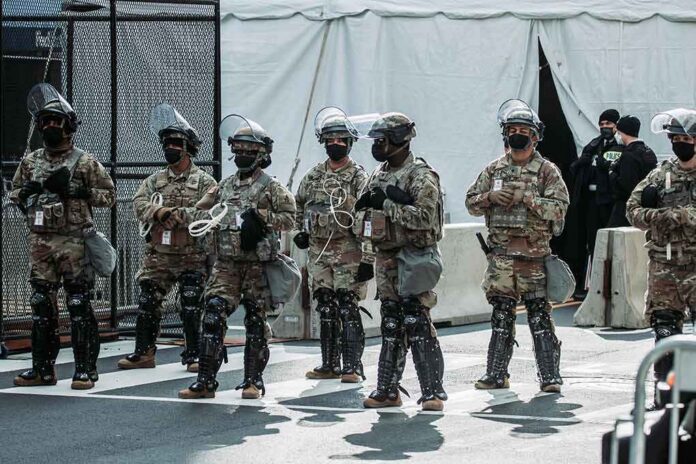
The Army’s specialist explosive ordnance disposal unit examined several vehicles connected to the arrests, a step that signals real concern about potential hazards on site. Police moved residents to a local leisure centre to reduce risk while teams worked the scene. The images that matter here are not dramatic flashes but careful checks, sealed perimeters, and orderly evacuations. That is what a practiced response looks like when agencies treat public safety as the first job, not the last thought.
Why RAF Fairford raises the temperature
The location matters. The arrests and evacuations unfolded near Royal Air Force Fairford, a base used by the United States Air Force for bomber deployments and allied missions. Proximity to such a site draws instant attention because it touches national defense, allied ties, and deterrence. Reuters reported the police action followed tighter security around the base the same day. That context explains the surge of resources and the crisp comms: when a high-value location is nearby, you move fast and you speak clearly.
Counter-terrorism police were reported to be leading the investigation, a sign the inquiry could cross regional lines and legal frameworks as evidence develops. That leadership usually brings added tools, wider intelligence feeds, and tighter information control. One line matters most for families in the area: police said they had enacted long-practiced plans with partner agencies and believed the incident was contained. That balance—urgent action with calm language—is how authorities keep a village steady when sirens crowd the street.
What authorities said plainly—and what they did not
Officials confirmed the arrests, the evacuations, the cordon, and the presence of Army explosive experts checking vehicles. They did not claim to have found a device or name any chemical or component on scene. Several outlets noted the absence of such confirmation in police messaging at that time. That caution is standard and wise: facts should come from evidence, not rumor. Responsible coverage follows the record and does not leap ahead of it. That is how trust survives tense days.
Major incident near RAF Fairford.
Several men have been arrested on suspicion of explosives offences in nearby Whelford. Army bomb-disposal experts are examining vehicles, while homes have been evacuated and armed police have cordoned off the area.
Police say the incident is… pic.twitter.com/fMFnXPu8xk
— 𝔸𝕝𝕚 𝕊𝕙𝕒𝕙𝕓𝕒𝕫 ℂ𝕙𝕒𝕦𝕕𝕙𝕣𝕪 (@sospunjab) September 27, 2026
Here is the practical takeaway for readers who prize order and common sense. First, decisive local policing, backed by national counter-terror expertise, is a feature of a serious country, not a bug. Second, steady rules keep everyone safer: evacuate when told, avoid cordons, and follow official channels, not viral clips. Third, most such operations end without harm because professionals follow the book. That is not luck. That is training, partnership, and the will to use them when it counts.
The wider pattern: fast action, careful disclosure
United Kingdom security reporting tends to start with tight official lines and very few details. Newsrooms often repeat a short, verified set of quotes before case files mature. The government’s own data shows many terrorism-related arrests each year compared with a smaller number of charges, which reflects a strategy that favors disruption early and proof-building later. That approach is not softness; it is prevention. Stop possible danger first, then sort the facts with time and evidence.
Sources:
bbc.com, www-cdn.abcnews.com, reuters.com, independent.co.uk
© conservativehub.com 2026. All rights reserved.